


I came home from the TGCW conference with a renewed sense of calling–that elusive thing I was made to do but somehow keep forgetting. I was made to read, to write, to leverage the way my mind works (strategically, organizationally, bringing clarity to areas of chaos) in service of the Church and Kingdom. I’ve known this from a young age, and during some seasons I’ve fought it, and during others I’ve simply misplaced it. But I know it when I find it again… it feels like remembering your own name.
I caught the vision when I was young. I understood the simplicity of the gospel–the first and last word of God–and I trusted my life to it, to Jesus. I also understood the means of the gospel, the people of God, and I saw that they needed leadership. From a young age, I wanted to put my hands to the work that God started back in the garden. Work was important; it held dignity and inherently good meaning. The work of the church was good too. It saved people sometimes, it healed people sometimes. (It also hurt people sometimes, but that knowledge came later.) What could matter more than telling people about the God who made them and loved them and wanted to be involved in their lives?
But so much life happens in the in-between years of calling and the working out of calling. Years of doubt (did I really hear a call? Did I make it up in my head?) and unbelief (surely God doesn’t call people like me… Does he know what kind of person I am? Does he actually love me, like me me, and remember that he called me all those years ago?). Years of quiet, behind-the-scenes experiences that weave together a binding fabric of family meals, nursing babies, endless loads of laundry, even more loaves of banana bread, road trips, birthday parties, afternoons in the park, singing in a small congregation on a Sunday morning, studying and reading and writing into the wee hours of the night. The calling was happening, is happening, and always feels just out of reach.
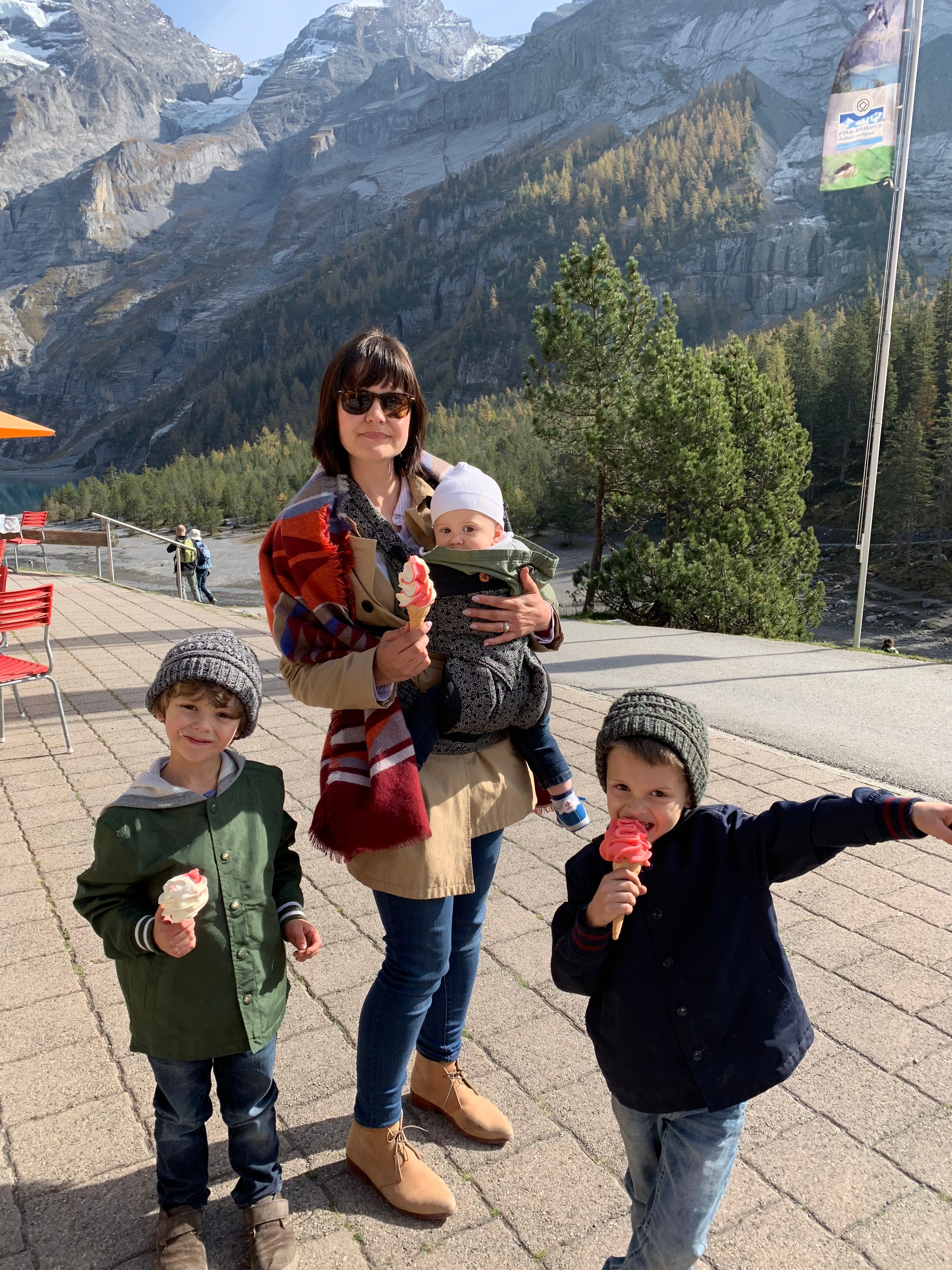
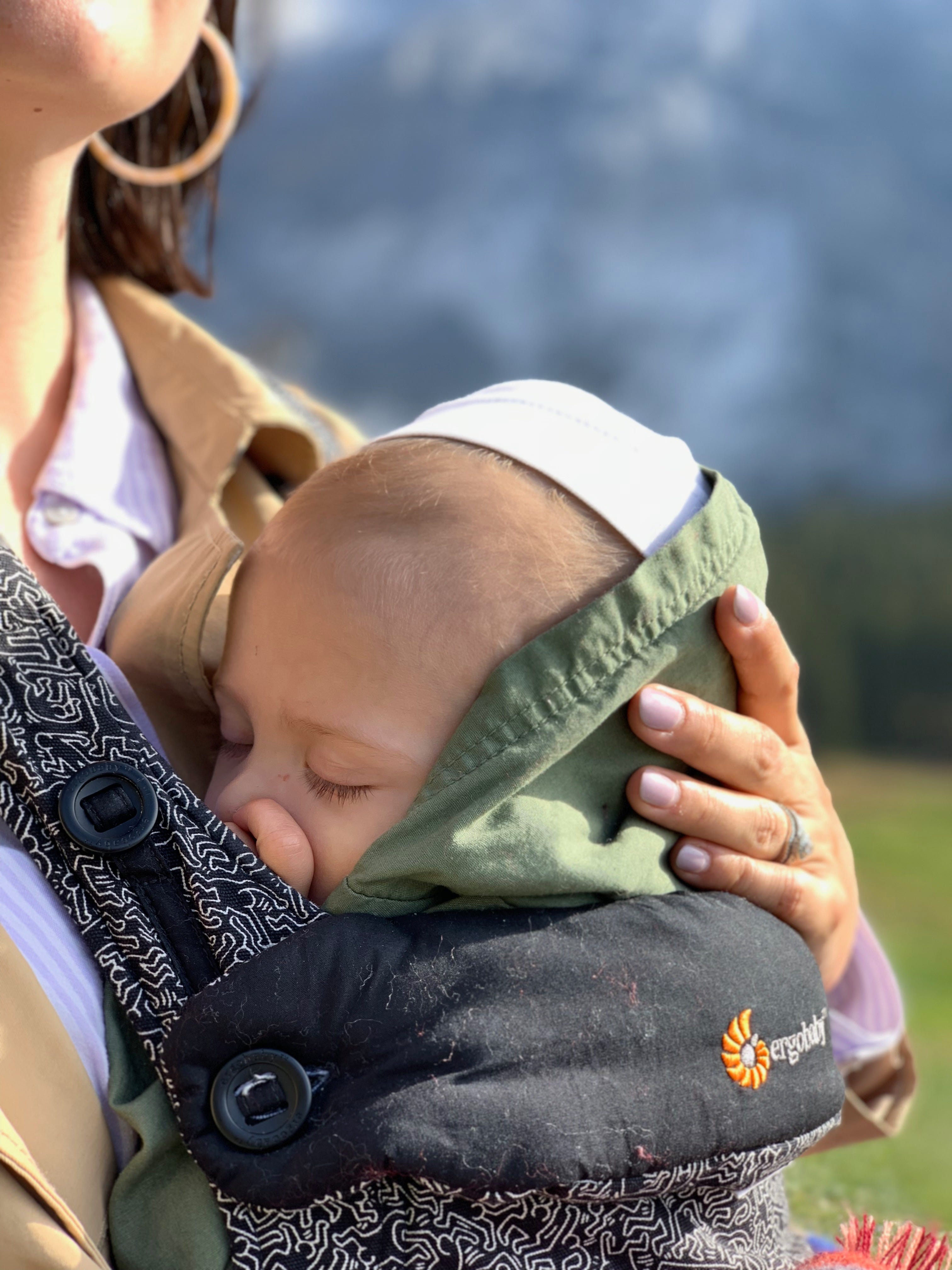
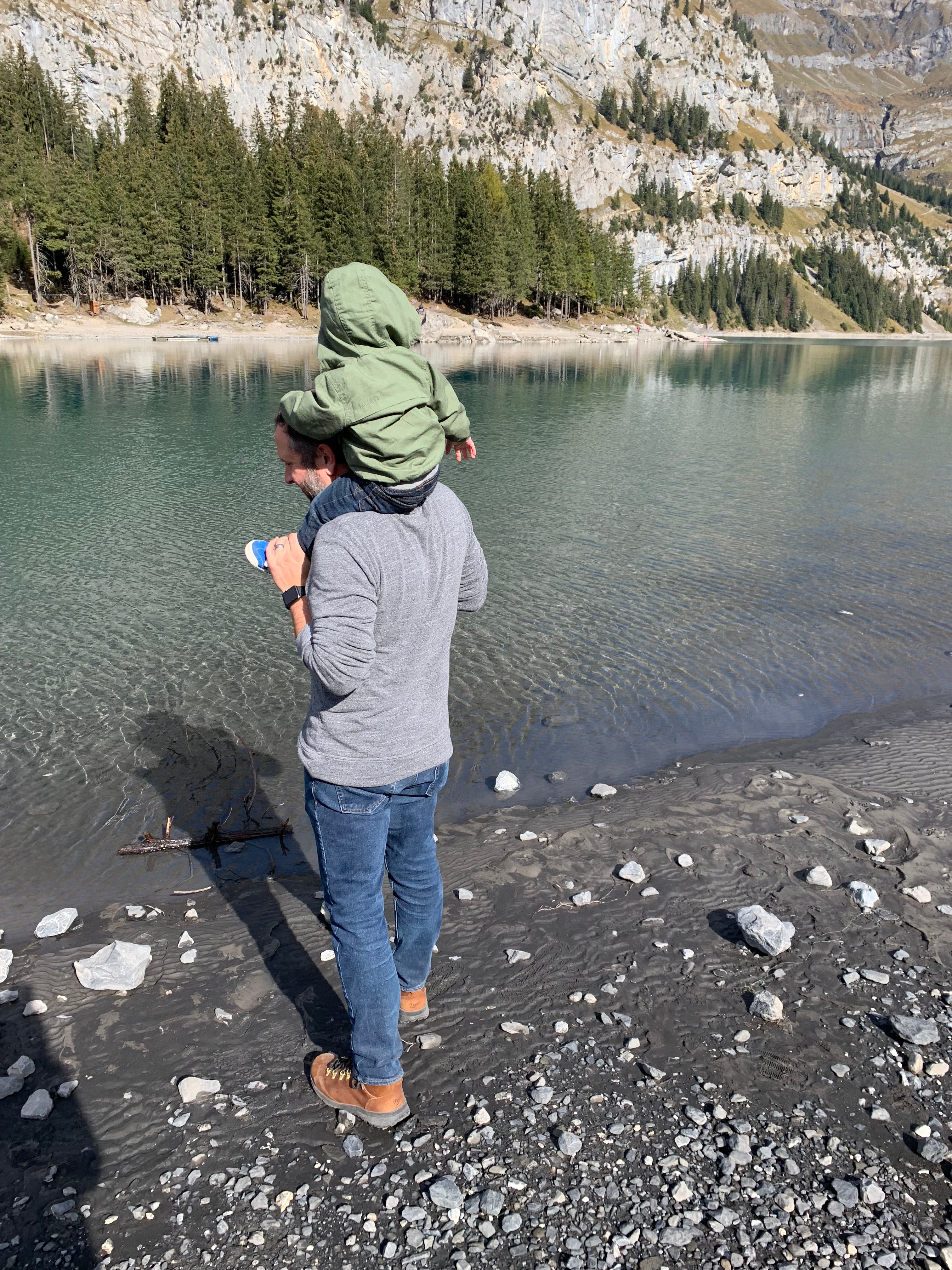
I miss that quiet season sometimes. “Quiet” is relative, of course–what I really mean is hidden. In reality, our house was often loud and full of little boy noise. We lived in an old farmhouse for many of those years: 4 adults, 1 teenager, and 3 little boys (and a scruffy dog). It wasn’t an easy season, per se; it had its unique challenges. We were living multi-generationally for the first time. I was finishing my undergrad, working part-time in a new role (and mom-ing full time), reading and writing like my life depended on it. Michael was commuting a long way to trailblaze a new career. We were living very frugally, and also learning how to live well. The roots of family, faith, and our love for God and one another were going down deep. Good work–not a perfect life–was the outward expression of that love.
At the end of 2025, Michael and I spent a couple of weeks slowly working through a guided life-planning process.1 I’ve always loved that liminal time between Christmas and New Year’s; it feels untethered from clocks and calendars, a bit like floating through early wintry space. We spent our evenings talking through questions about every area of life–family, love, money, body, vocation, hobbies, work–and setting one-year, five-year, and ten-year goals around a concrete vision of what we actually wanted.
The process can be quite emotional. I found myself feeling a range of things: happiness that Michael and I were aligned on most areas of our lives, curiosity at being given permission to explore things like intellectual life and creative work, real excitement at the vision I was beginning to see ahead–but also frustration at what I perceived as blockers, and a kind of sadness as I came to the realization that some very real things needed to change. In the end, I decided to leave my (then-current) job. If I’m honest, I would have already known the decision was made in my heart even before we began–but I was too scared to say it out loud. I had invested so much to take on that role (time, energy, money, so many hours and weeks and months, my family’s bandwidth), and I knew it wasn’t working… but I couldn’t admit it, until I was faced with my own scrawled notes and bullet-pointed goals written out in black and white on the page. Seeing my own life trajectory written out was exactly what I needed to find the courage to leave.
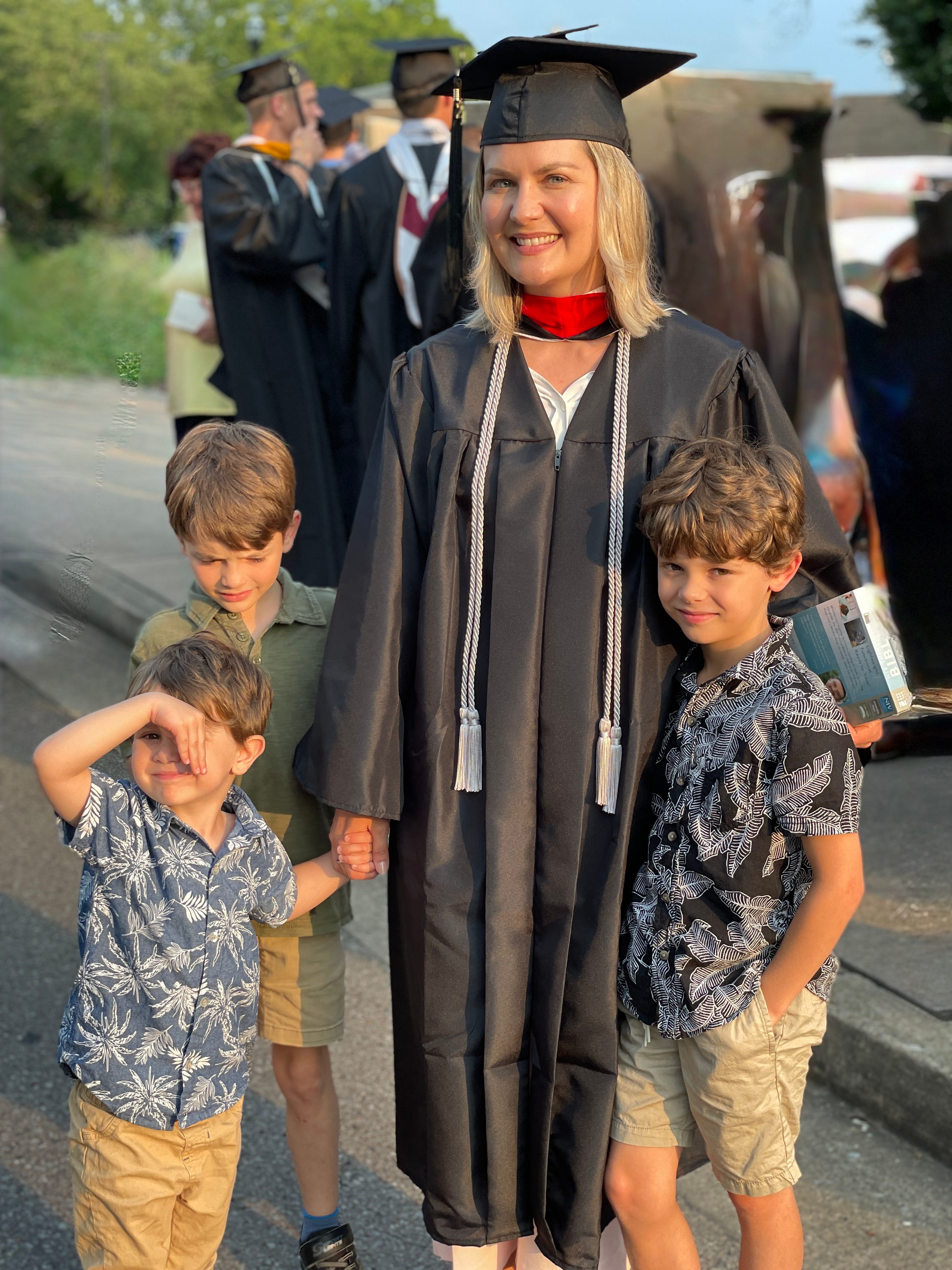
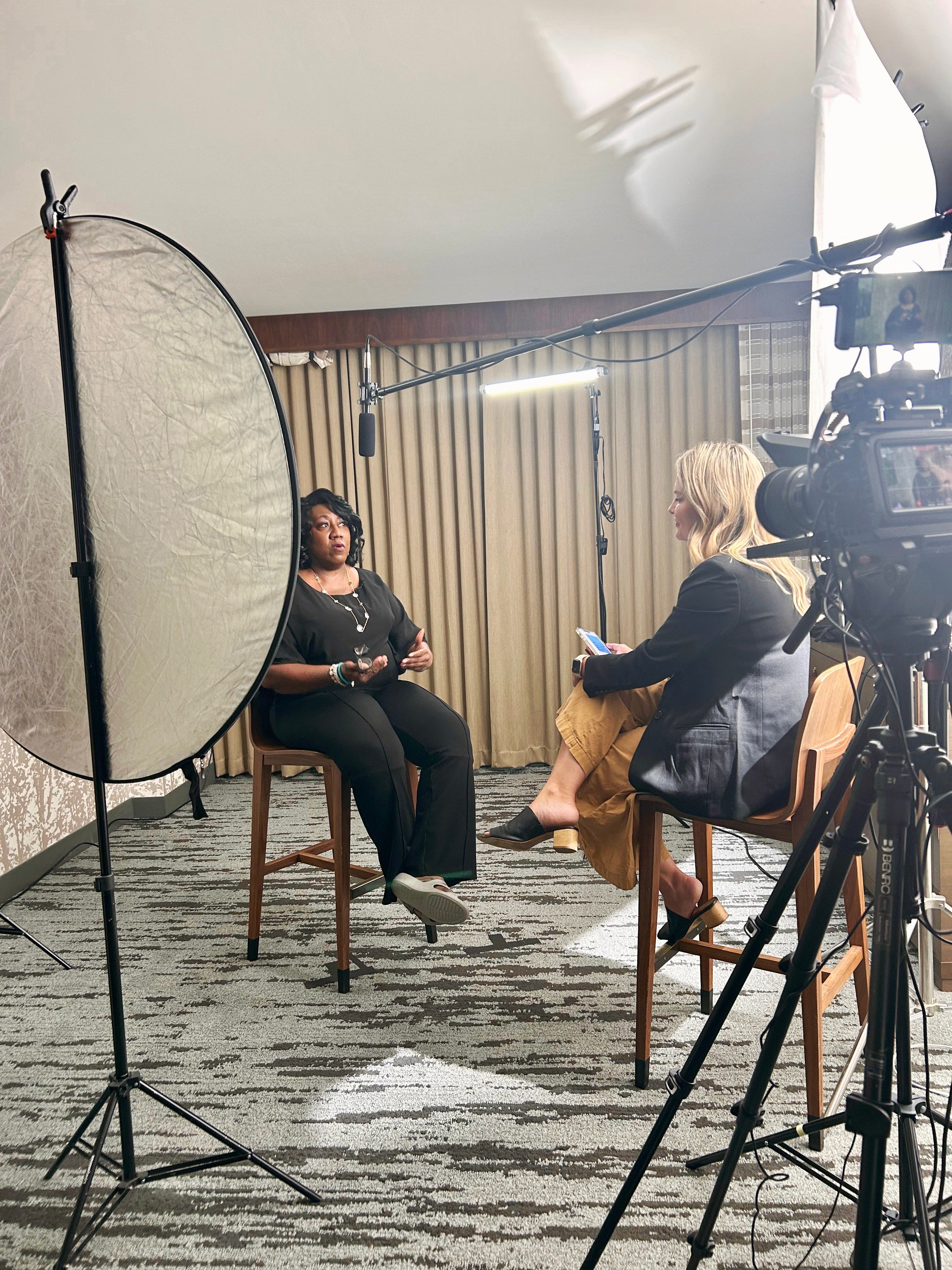
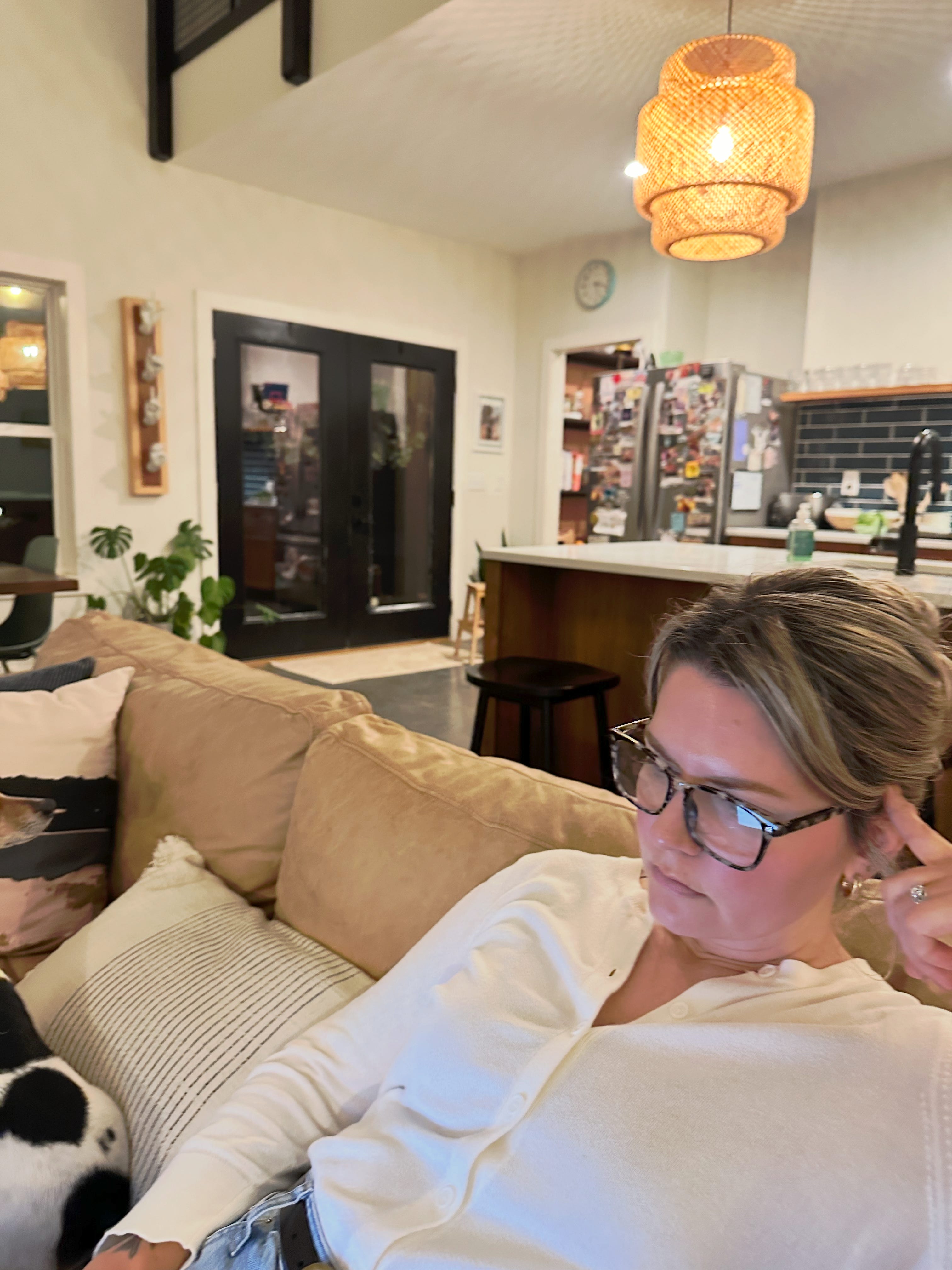
I know it’s popular right now to decentralize work from how we present ourselves online (which is so weird when you think about it… the performative nature of “how we present ourselves” but what else do you call it??); it’s a natural reaction against the glamorization of hustle culture and girlboss energy and corporatism, all of which proved to be shallow at best and exploitative at worst. I’m not advocating for a life that is only about work. Life is wonderfully multidimensional, and we should enjoy–and be seen enjoying–all of it. But work is still such a significant part of our lives that I believe it deserves our attention and care. Most of our days are spent in what we broadly call “work,” whether that is being a primary caregiver, building a business, contributing to a team, giving your time and skills to a ministry or non-profit. We rightfully spend ourselves on what matters to us and what helps us live. (We are lucky if we can check both boxes at once.)
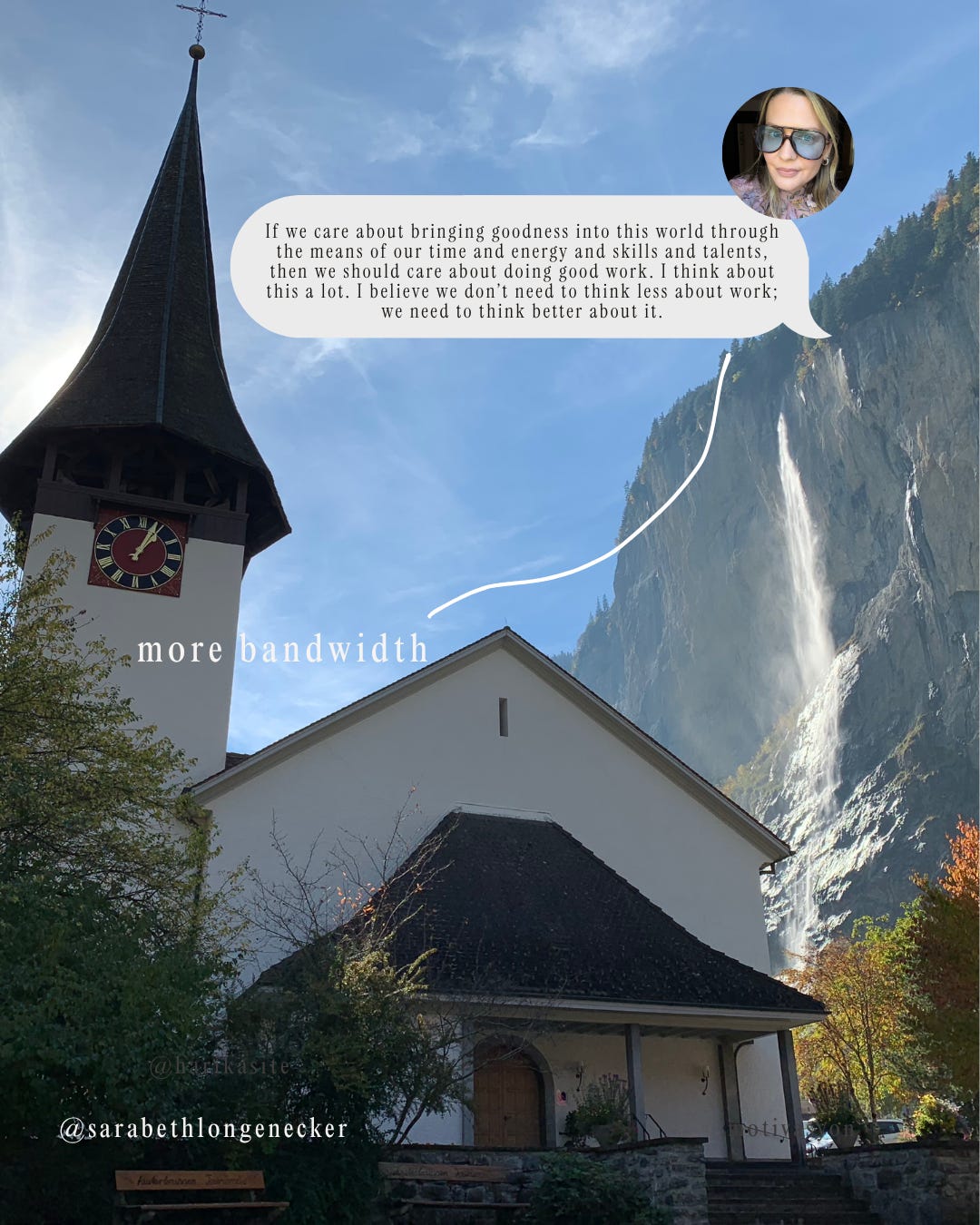
The thing about work is that it is tangible; it is action. It is someone’s idea come to life–what was once a mere spark, now in the real world. And good work is even more so. Good work is a reflection of God’s created order, and points us back to his original assessment: God saw all that he had made, and it was very good (Gen. 1:31). Karen Swallow Prior explains it this way: “Goodness is truth made manifest. Just as truth is connected to knowing, goodness is connected to doing and how that doing is done.”2 If we care about bringing goodness into this world through the means of our time and energy and skills and talents, then we should care about doing good work. I think about this a lot. I believe we don’t need to think less about work; we need to think better about it. Good work does not mean perfect outcomes, by the way. But good work will be anchored in truth, and have a relation with beauty, and have—as George MacDonald puts it— “the germ of creation and redemption” somewhere in it.
MacDonald arrives at that phrase as he meditates on the opening of John’s gospel, “All things were made by him, and without him was not anything made that was made. In him was life, and the life was the light of men,” vs. 1:3-4. MacDonald contends for the emphasis found in the original Greek, and a slight moving of the period, which gives us something more like this:
All things were made through him [Christ], and without him was made not one thing. That which was made in him was life, and the life was the light of men.
Therefore, says MacDonald, “in this grand assertion seems to me to lie, more than shadowed, the germ of creation and redemption—of all the divine in its relation to all the human.”3
I’m simmering on these words. All the divine in its relation to all the human. And then this, a few pages later:
“As to what the life of God is in relation to us, we know that it is the causing life of everything that we call life–of everything that is; and in knowing this, we know something of that life, by the very forms of its force. But the one interminable mystery… is first, how [God] can be self-existent, and the next, how he can make other beings exist; self-existence and creation no man will ever understand… If we could make ourselves, we should understand our creation, but to do that we must be God… Nevertheless, if I be a child of God, I must be like him, like him even in the matter of this creative energy. There must be something in me that corresponds in its childish way to the eternal might in him.”4

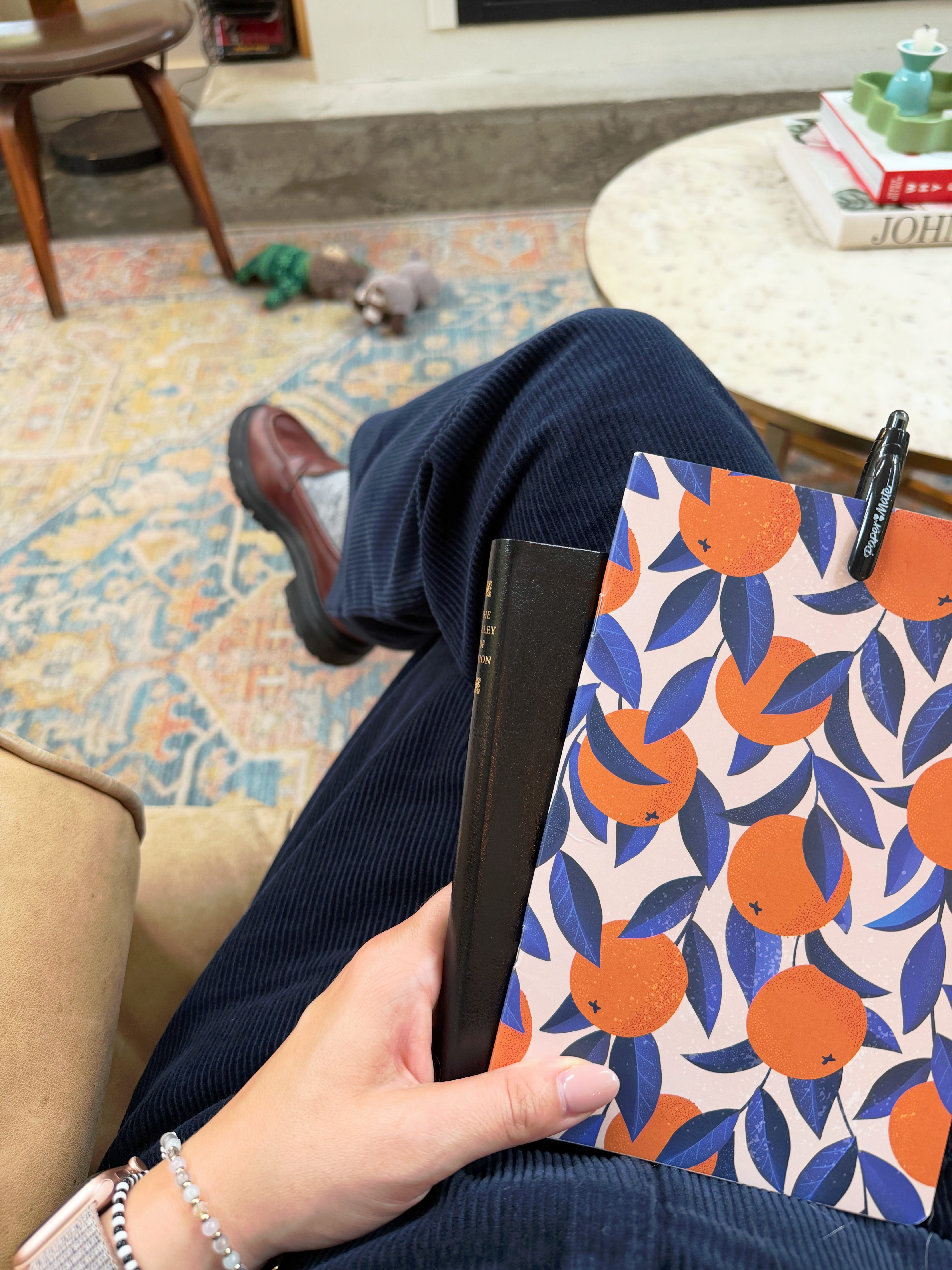
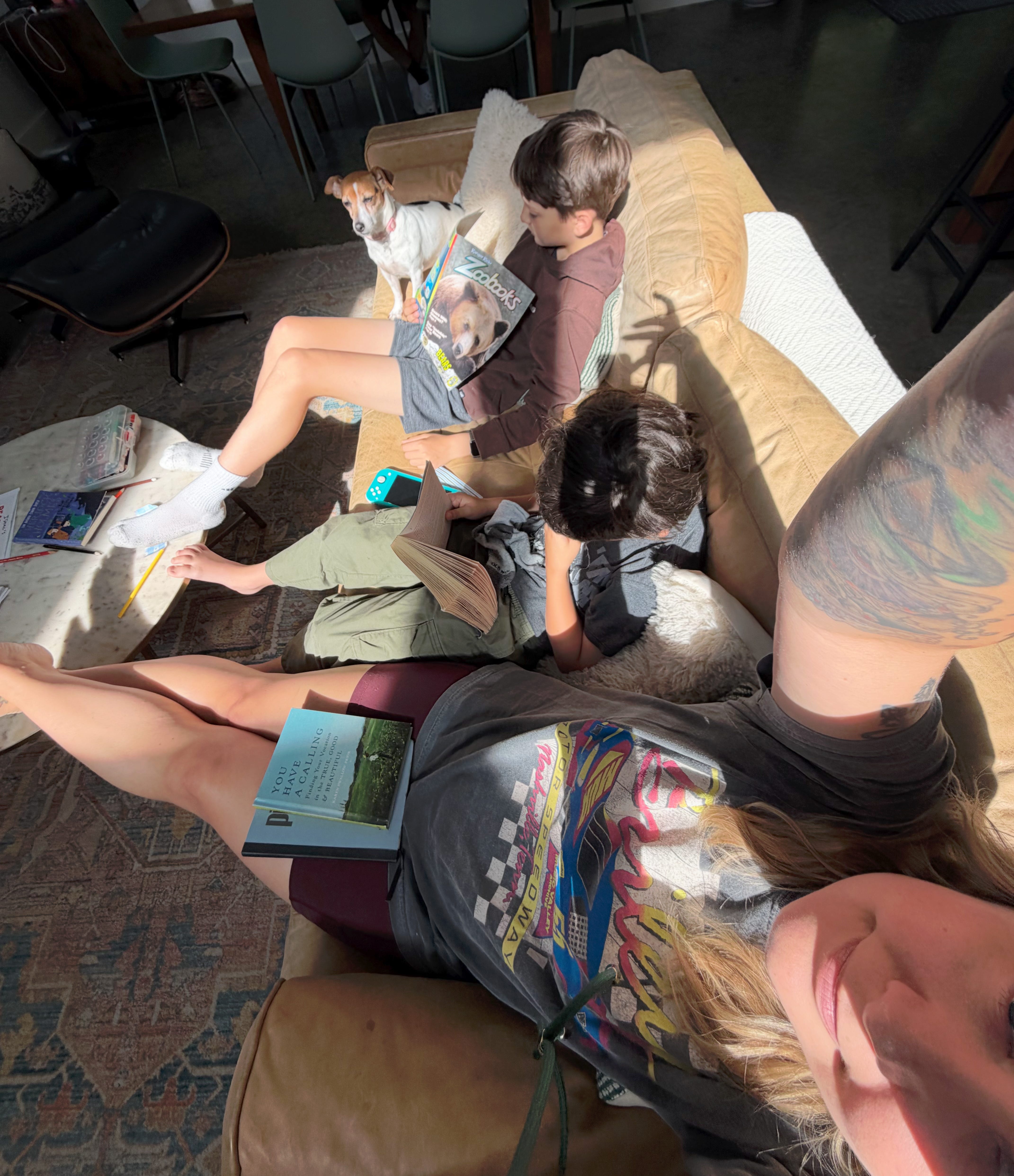
The longer I live, the more I experience and observe… and the more questions I carry. I’m still asking about my own calling, and now that of our family. How can we perceive it? And if we are awake and have faith to recognize God’s hand at work, how can we then receive the gift? I know this for sure–and contrary to how most of contemporary culture thinks about creative expression–we are incapable of true original creation, as this is only a divine activity, but what we can do is receive from the Father of Lights. We can seek after and desire his life in us, and the working out of this life will look a lot like creative action, and hopefully good work.
And this is the wonderful thing about it all: God intends for his children to be like him, and the beautiful image of Christ (the Son and perfect God-man), in our work. To bring newness and life and originality and deep-calling-to-deep (and that intangible atmosphere that reminds us of the eternal) to all that we put our hands to, by the vitality of his Holy Spirit. We are not little gods, but if we are hidden in Christ, then we have his resurrection life in us–and surely, this will give us the eyes to see our baking, writing, coding, directing, teaching, nurturing, building, and whatever-we’re-doing as our calling come to life.
We cannot generate, but we can receive. We don’t own it, but we can be formed by it. The calling will work itself out in our lives like a little bit of yeast in some bread dough. This is enough, and it’s really good.
Until next time,
SBL
We used Full Focus’ Life Focus card game. It’s less like a game and more like a guided, tactile, and fully present life-planning/goal-setting process with helpful prompts. We did ours over a couple of weeks by taking a section and working on it every night before bed.
Karen Swallow Prior, You Have A Calling: Finding Your Vocation in the True, Good, & Beautiful, 104.
George MacDonald, Unspoken Sermons, 331-332.
Ibid, 334.
Great piece with some helpful reminders. I think you’d appreciate Dorothy L. Sayers’ “Why work?” If you haven’t read it.