


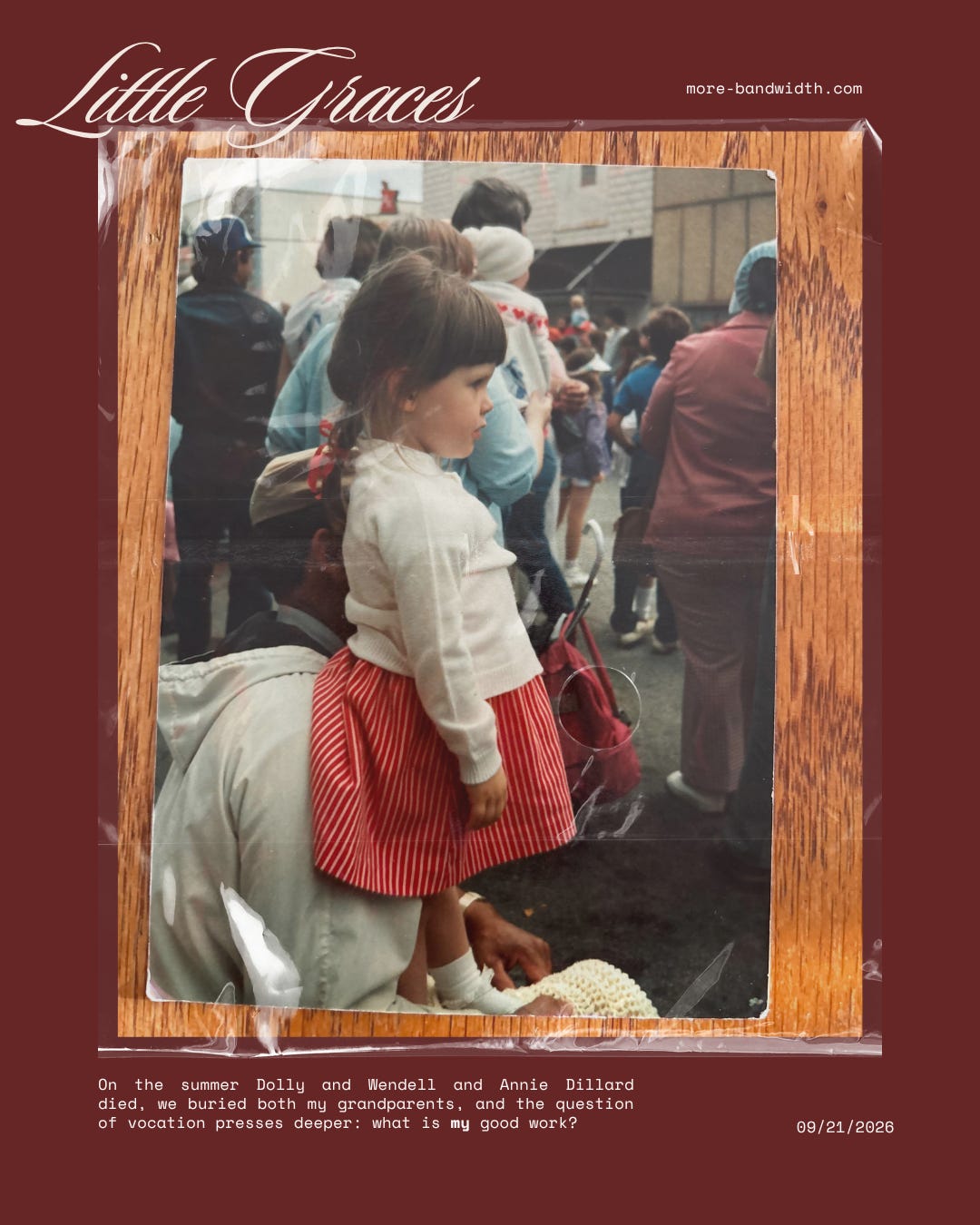
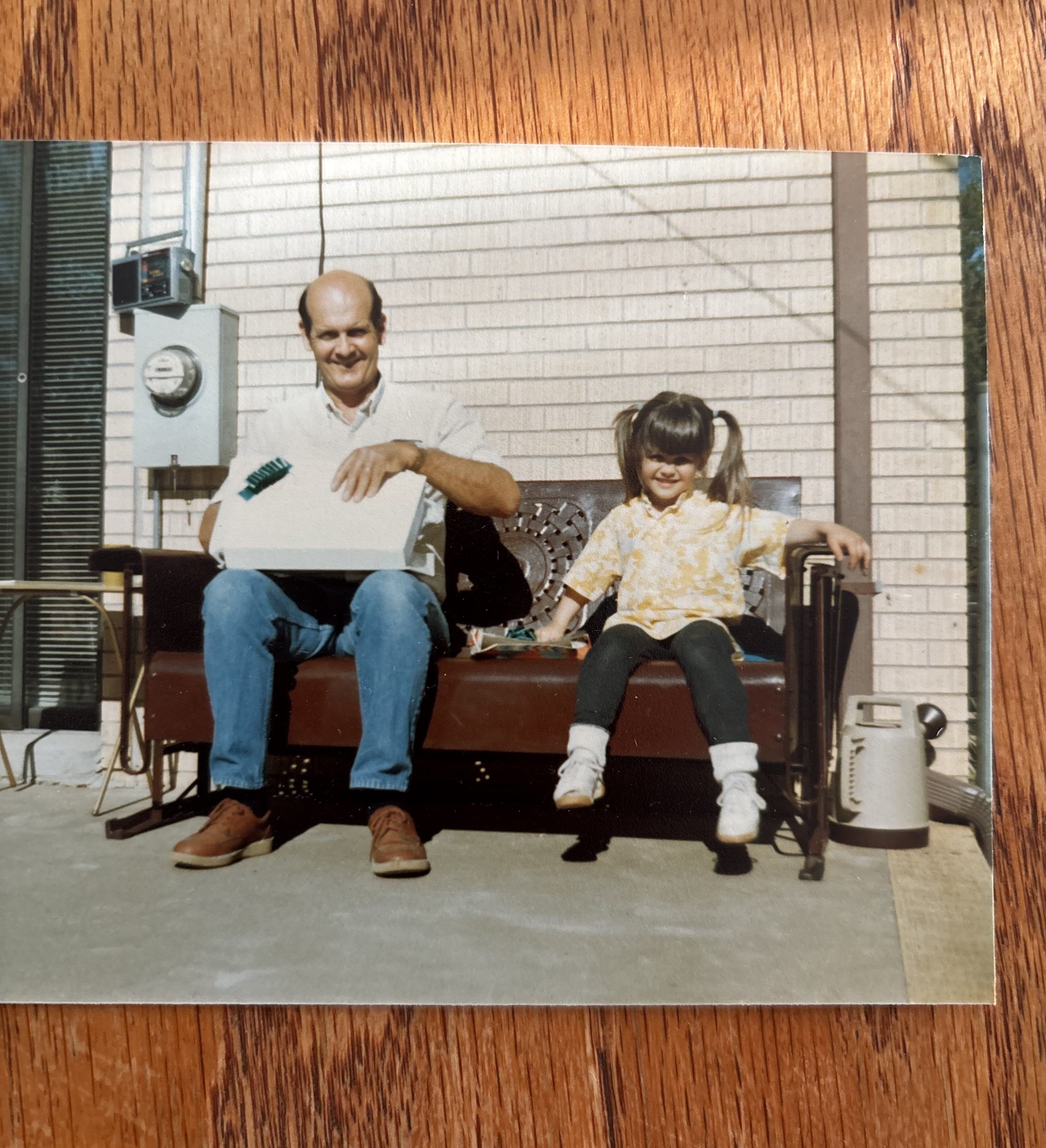
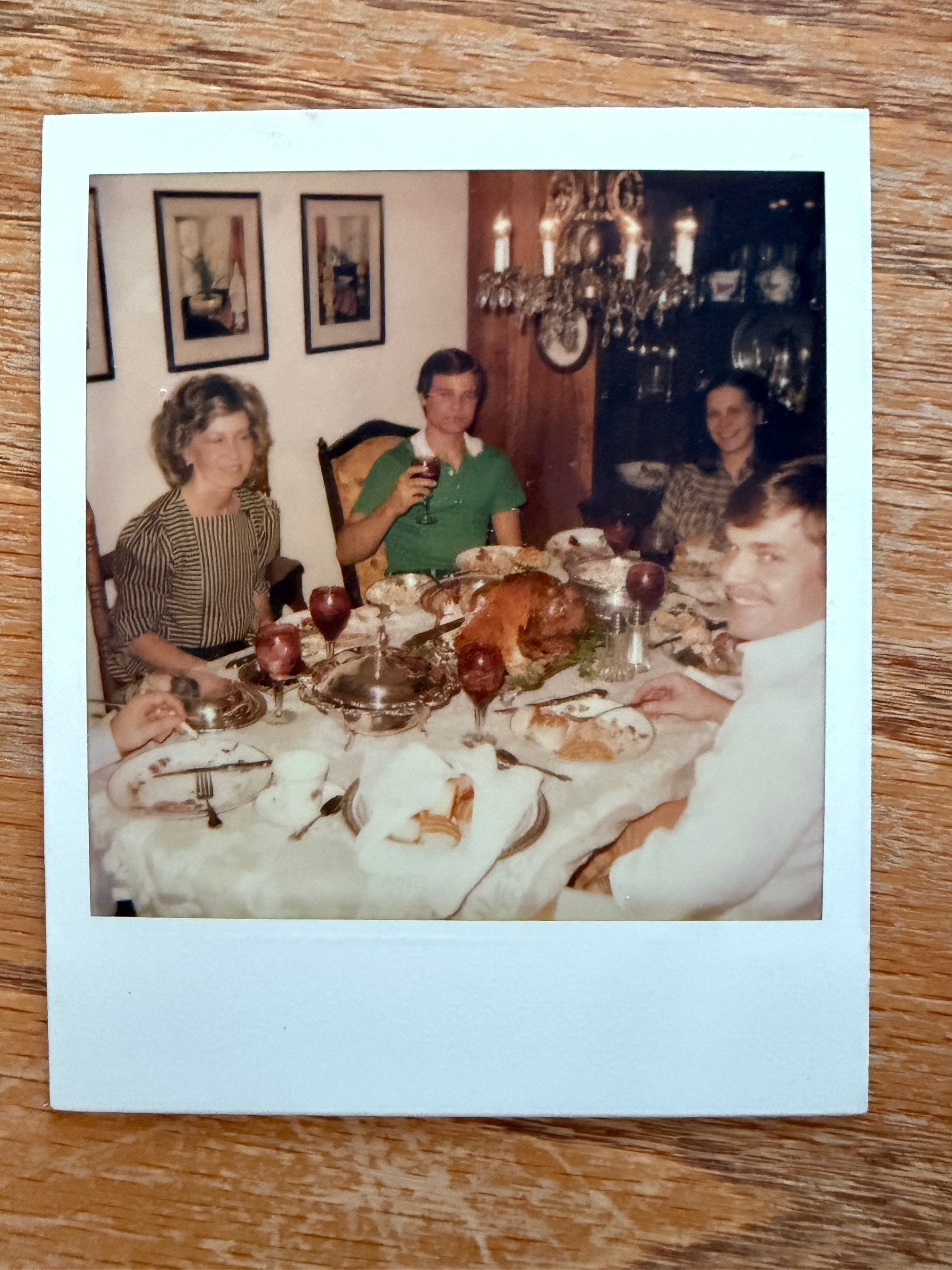
Dolly and Wendell have both set aside their mortal shells and awoken in eternity, each leaving a far-reaching legacy in culture and the Southern imagination. My family buried my grandfather at the beginning of August and my grandmother, his wife of almost 67 years, a mere 5 weeks later. I've said this elsewhere, but that generation was the last one to truly connect us to the "old world" of the South; their formative years had more in common with a century before than with my own. My last living grandmother just turned 91, and she came up from sharecropper parents raising a family in a simple cabin (sans electricity and indoor plumbing) to the prosperity of marrying, buying land, building a home for her own family, starting multiple businesses, working a varied and respected career, and generally being beloved leaders in our little community.
When I hear Dolly or Wendell in interviews, I recognize the same earthy kindness, generosity, and sense of humor that I know from my grandparents. It’s in the tone of their stories; it’s an artisan’s humility that can turn the simple language at our disposal into epics through song, poetry, or an oral recounting around the dinner table. And goodness if I don’t have a full sensory experience when I think about first hearing these stories–listening as a girl to the grown-ups remembering older, harder times. I can hear the cicadas shaking the trees, taste a perfectly fluffy biscuit with butter and sorghum, and just about feel the warmth of the August sun on my arms.
To be Southern is to cherish a slow pace and appreciate the lowly, real things in life, to make much of the time we have on this terra firma. It’s taking what we’ve been given and making something out of it. I have lived and worked somewhere between the city and the country my whole adult life; I have tried to make much of what I’ve been given. Yet, this tension is always with me. My work has spanned many major cities (Nashville, Phoenix, New Orleans, D.C.), and several countries, but most of my current days are spent in a little-known town in Middle Tennessee. I’m a person who constantly wants to start new ventures, to build and create and make connections, to be in on the action and meet interesting people and generally enjoy a life of engaging pursuits… until I don’t, until I need to pull away and be close to the earth and feel the air on my skin and only hear the sounds of gently running water and crickets and nothing manufactured by man. I want both, and something else entirely.
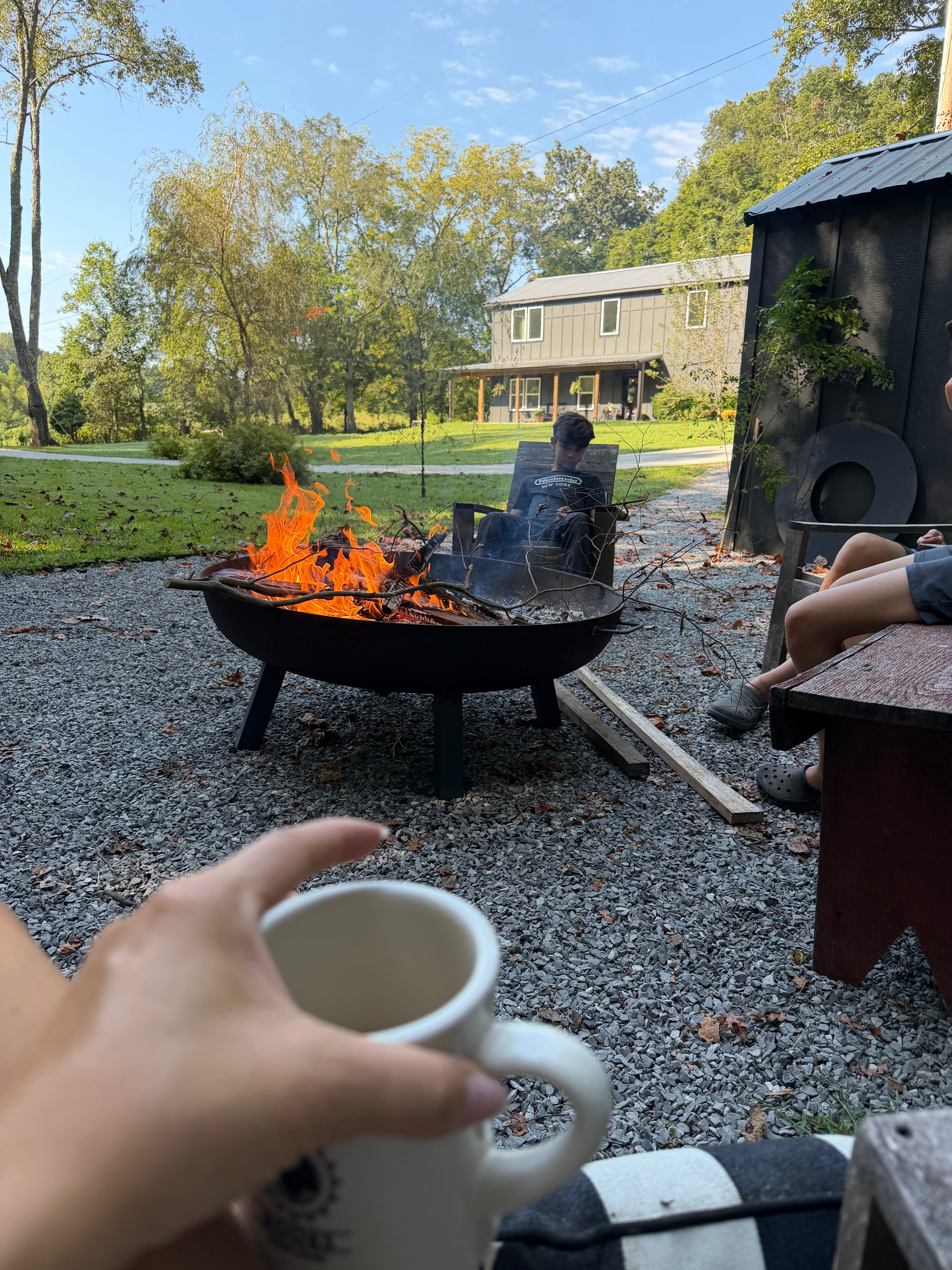
For my grandparents’ generation, work first meant survival, and then it meant establishing oneself in a local community. Of my four grandparents, only one made it out of the United States: my maternal grandfather, when he was stationed in Italy for a time as a young soldier. But he soon came home and put down roots in the same county he was raised in, as his parents had done. My paternal grandparents bought land and built a homestead not 2 miles from where my father’s father was born, and those same hills and hollers are where we now raise our sons. Collectively, my grandparents worked the railroad, the pipeline, a judge’s office, the local school district, local boutiques, and a department store; served as the county commissioner (longest-running ever), pioneered the water authority for our county, sold Avon, worked the phone service company, taught at a nearby university, and founded the local pee wee football league; they started many businesses, including car restoration, rental properties, a plant nursery, a well-loved restaurant, and the local KOA campground. They served the U.S. Army, Air Force, and the National Guard, living and working on many military bases; served a Baptist church and a Methodist church, respectively; and built and tended homes where my mother and father were reared. Their work cultivated rich lives; they lived locally, near family and friends, with memories and experience layered over decades like the Middle Tennessee hills of limestone and clay.
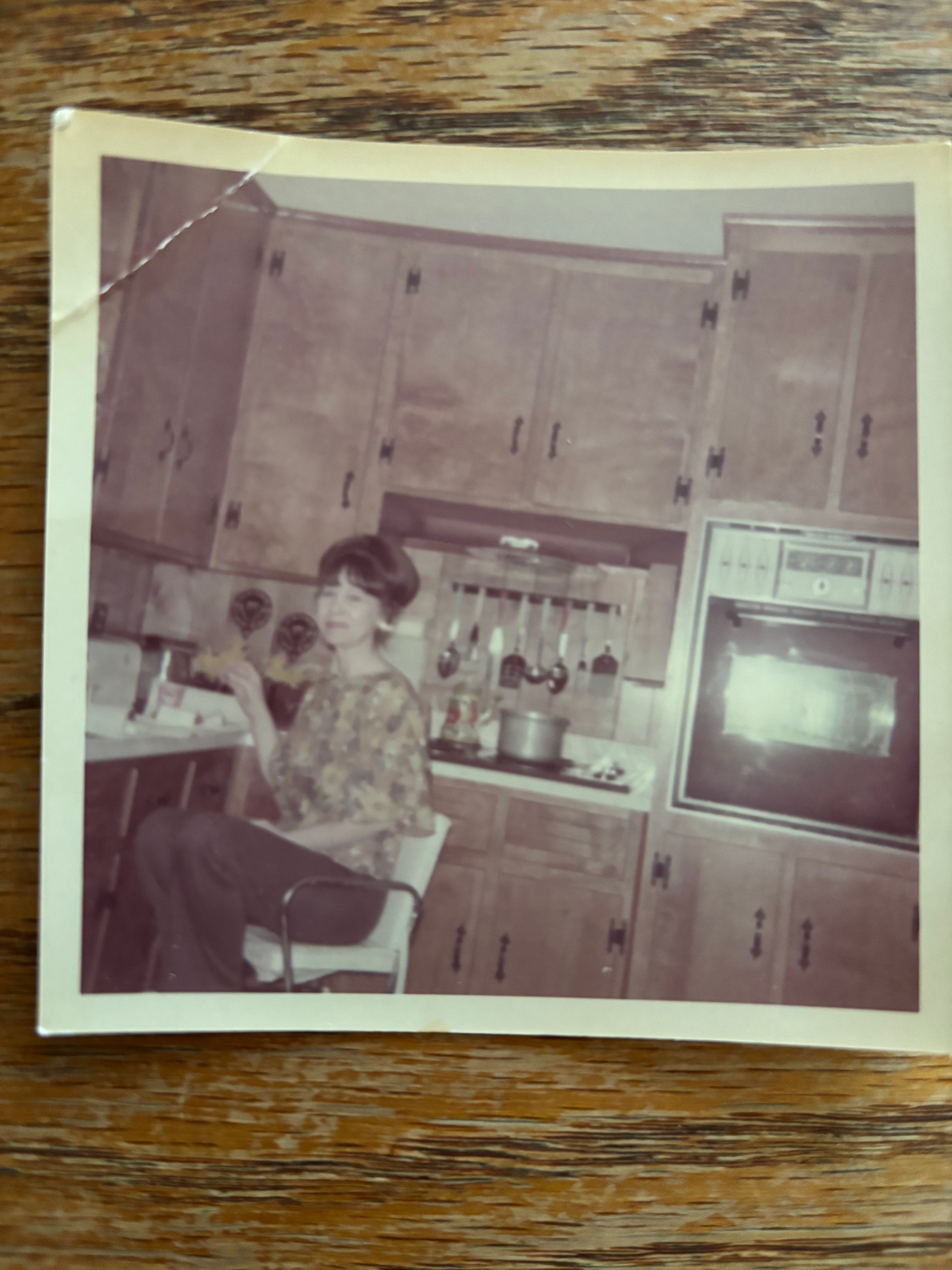
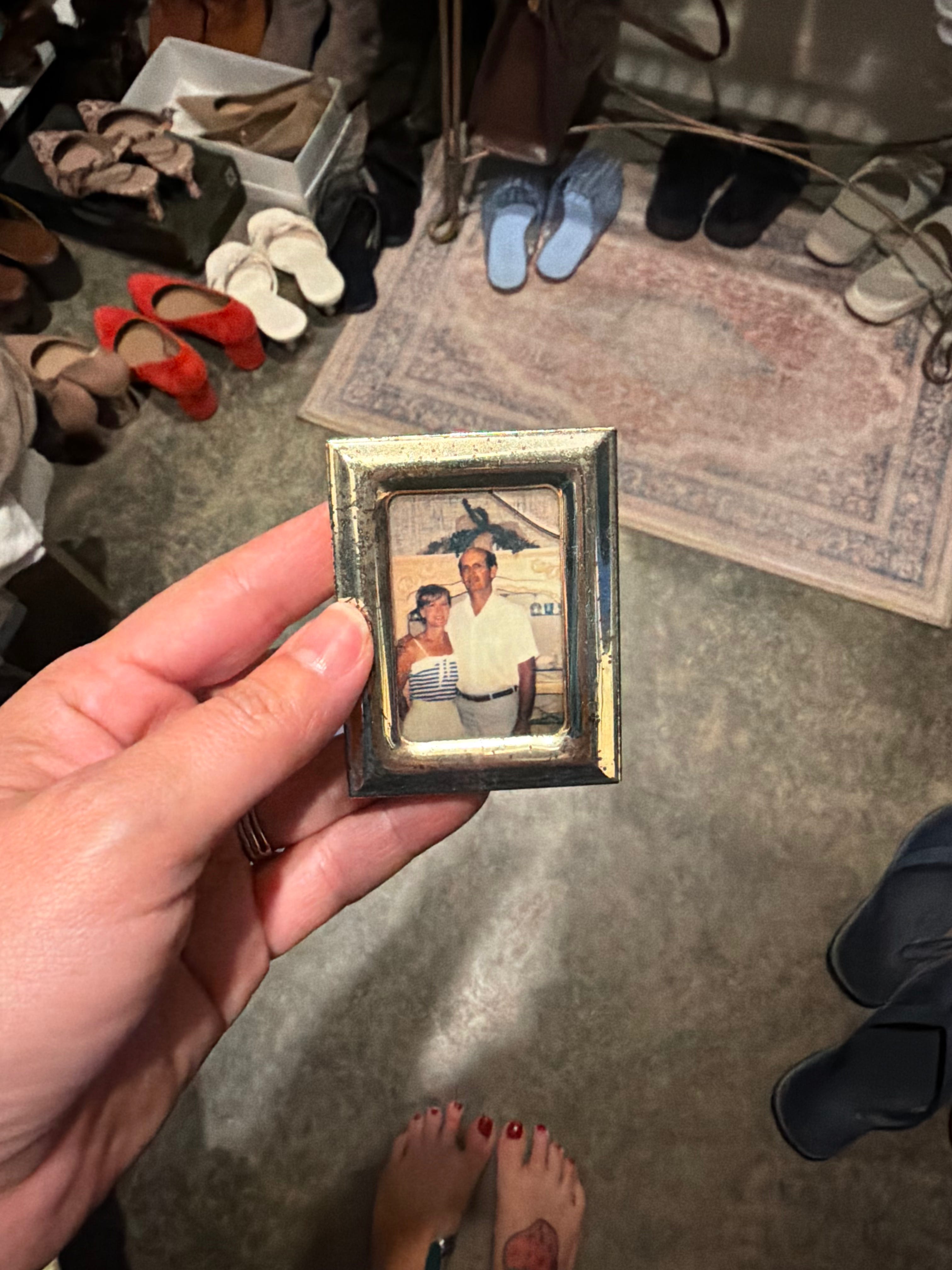
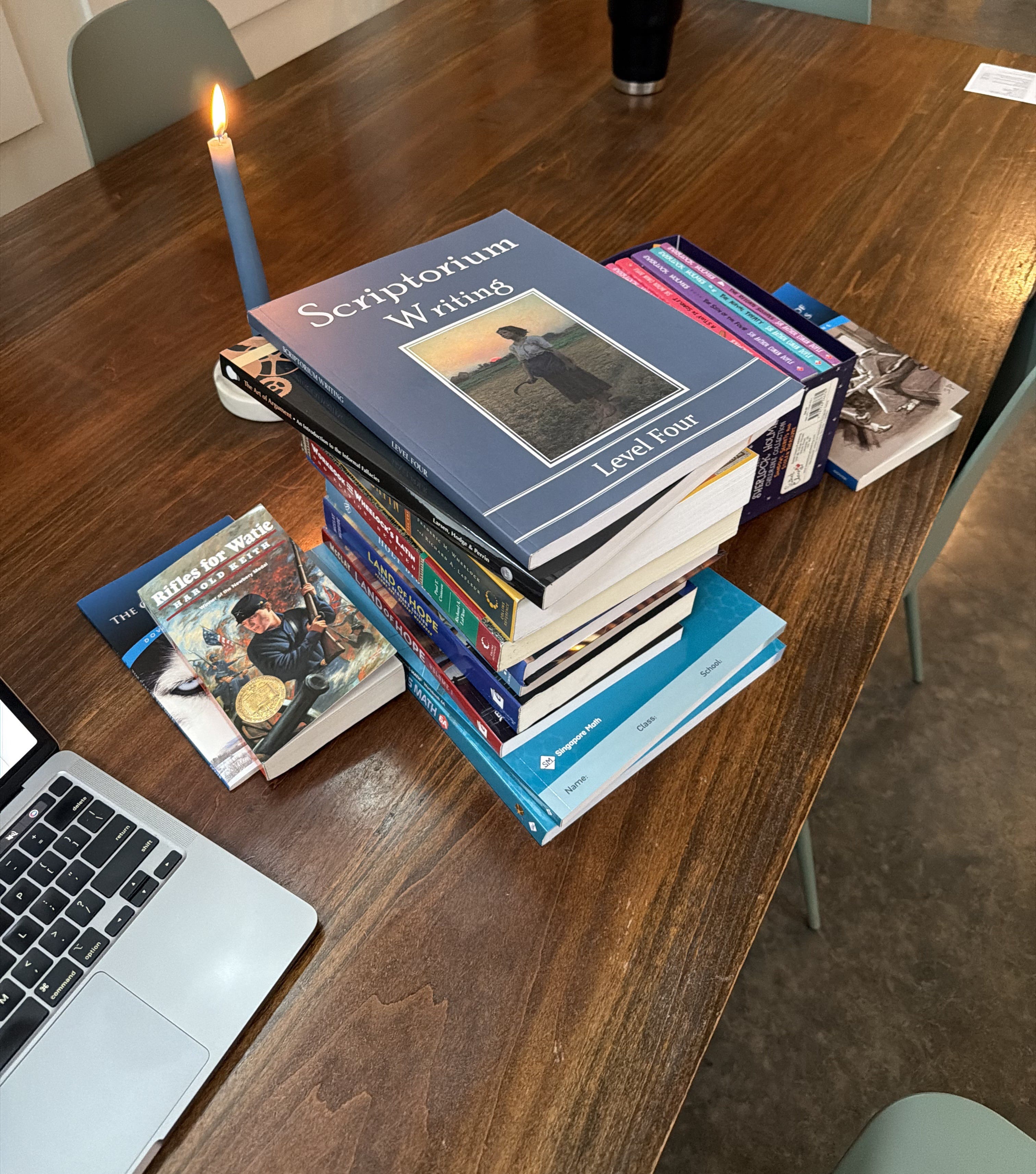
Like my mother and grandmothers, I am also a wife and a mother, but that’s not the whole answer to what kind of work I was made to do. Every work assessment I’ve ever done tells me I am a builder, an architect, a strategic innovator who makes new things come to be, but once the thing lives, the ongoing maintenance will just about bore me to death (therefore, I’ve learned to build processes that don’t need much babysitting and happily hand things off to capable executors). Sometimes my mothering style reflects the best of this skill set, sometimes I have to curb that part of me for the sake of stability.
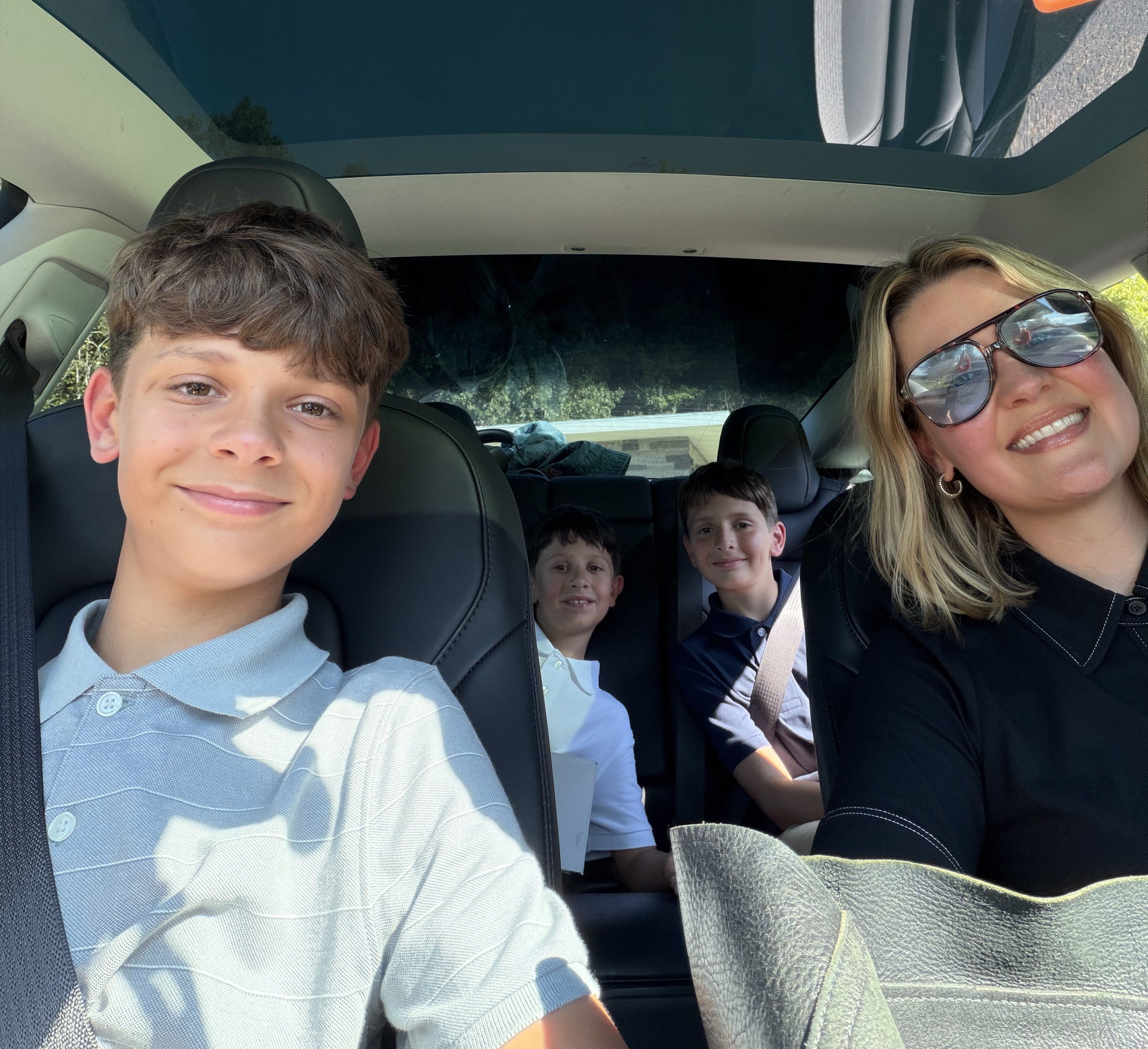
The problem here is that parenting, mothering, to be exact, and homemaking is a never-ending kind of work; the babies are “built,” so to speak, in the womb and then you have 18 years to tend, nurture, and love in an everyday rhythm of small actions and efforts. This is wonderful and deeply important work, but it’s also not the kind of work that I get super jazzed about, objectively speaking. There isn’t really an entrepreneurial sense of “startup” once you get past the baby years (and who remembers those anyway??) I think this is why some moms (understandably) get hyped on birthday parties and holiday events—they provide a new creative project to work on, something specific and time-bound, the kind of thing that can be measured (How many people attended? What was the feedback on the menu? Did the kids enjoy the yard games or the piñata more?) A good dinner party will scratch the temporary itch, for sure, with the familiar, down-to-the-minute pressure-cooker convergence of food+vibes+people (hopefully equaling a fun night for all) that an early-stage organization basically lives in every day. But I want more than a single event can produce.
Deep ownership of new things coming to life—this is where I’m most at home. Orchestrating the chaos until there is clarity, the team is excited and onboard, and we are moving forward together. It’s the firstborn’s training coming to fruition. I like the pressure; I perform better when I’m under the gun. But I wonder if my body and family life can sustain the pressure for long…
Lately, I’m also asking the question: Is work supposed to be fun?
I think we’re nearing the end of the millennial career unraveling, and this is a pause on the way out the door. When did we start believing that work = fun? Cue 90’s rom-com images of Hollywood starlets in argyle cardigans wielding a 1st-gen Apple book and cute eyeglasses for inspiration. The punk rebellion of the eighties gave way to grunge opt-out attitudes, dismissing anything remotely capitalist, but some of us didn’t quite swallow the fish whole (even though we still listened to the music, duh).
I remember entering high school with the sense that yes, the world was a big system, one I didn’t quite understand yet, but it was available to me; all I needed was my passport, the latest issue of Vogue, and my Discman (and money, of course, which I worked for and saved diligently). Work was the means to an end: travel, experience, being out there in the world. I didn’t dread work, but it was just a necessary part of things. I cleaned houses, babysat kids, and worked at a small-town pharmacy. Not back-breaking work, mind you, but it required hustle, consistency, and eldest-daughter-level responsibility. It wasn’t “cute” or aesthetic work, but it met a need in my community and, most importantly, it brought in income.
My creative outlets came through other means: after-school photoshoots with old manual cameras, trips to Goodwill to rummage the bins for treasure, visits to the record shop and a drive around town listening to a new CD, movie nights, indie band concerts, scrawling in endless journals, and reading everything interesting at the library. Fun was the time spent with friends, or the time savored alone. Fun was learning to use the internet. Fun was driving into the city to explore neighborhood coffee shops. Fun was late-night yap sessions over a parking lot milkshake.
Somewhere along the line, work became much bigger in my mind. My theology of work expanded, for one; I now believe work to be a partnership between God and man, wherein we are a conduit or vessel of the Holy Spirit’s true creative power. I believe work was created before the fall of mankind, and it was declared good; difficult work followed our parents out into the wilderness, a companion they would have to relearn how to live with. But the creative, and ultimately redemptive, power of divinely blessed work is offered to all of us. The Spirit is offered to all of us—as our helper, a comfort, and a well of righteous conviction. Good work is a gift from the Spirit of God, that we might bless others with our efforts. Paul reminds the young church at Corinth that work enlivened by the Spirit can look like a lot of different things:
There are different kinds of gifts, but the same Spirit distributes them. There are different kinds of service, but the same Lord. There are different kinds of working, but in all of them and in everyone it is the same God at work. Now to each one the manifestation of the Spirit is given for the common good. (1 Corinthians 12:4-7 NIV)
Some kinds of work display this idea much more clearly, while others are more subtle about it, but all good work improves this world in some way: work that brings order, justice, and safe conditions; work that communicates beauty and truth; work that innovates and improves on the human experience; work that sparks the imagination and stirs deep wells within us. Bad work, of course, does the opposite: it inhibits a healthy, safe place for people to thrive, blocks access to truth, beauty, or goodness, and steals or destroys what lets our human experience be fully lived. The importance of work, even the eternal impact of good work, has taken up residence in my heart. The questions layer deeper— did my grandmother expect work to be fun, too? Did she enjoy the time spent at her desk, dressing the window, setting the table, at her vocation? Did my grandfather understand the far-reaching impact his working life would have?
I hate it when people ask me the “dream job” question. If money were not important and you could do anything, what would you do?
It’s a difficult question for me because I like to work. I like lots of kinds of work, but I also don’t want to do anything I don’t want to do, which, as Sally Mann quips, is the artist’s disposition. The pull between the good work that I must do–work tending to our family and home–and the good work that I could do–creating and building new things with interesting people–never ceases. It requires a constant monitoring of relationships, resources, and most importantly, priorities. I can’t easily answer it, and yet I love the thrill of the asking, the possibilities inherent in it. It reminds me that yes, I want my work to be fun. Is that asking too much??
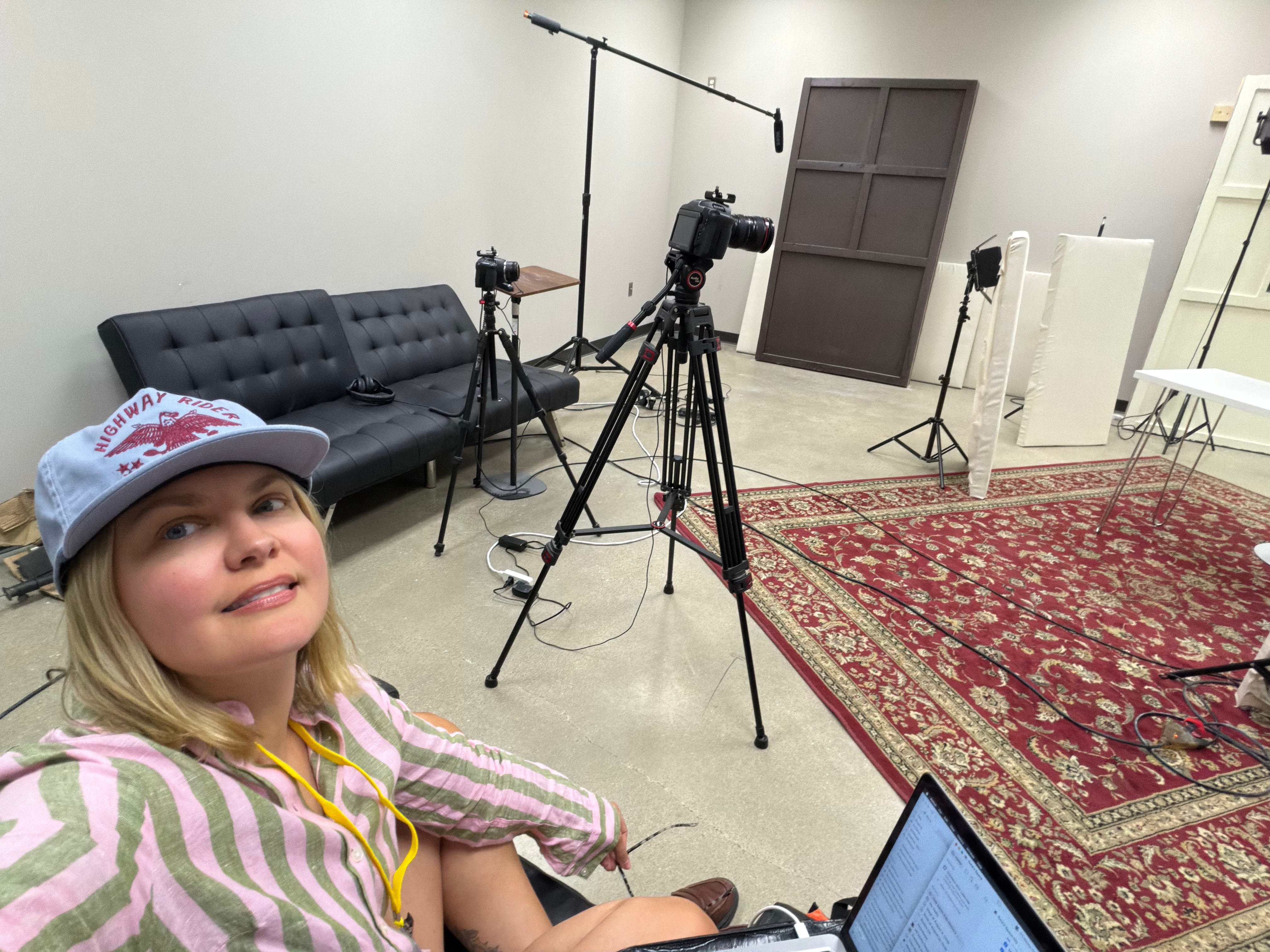
[That’s the real dream– work that demands I build something exciting, with people that inspire me and I like being around, and leverages my skills/experiences/abilities for the good of others. I want seasons where I work hard, and move fast, and I’m tired at the end of the day. Then seasons where I process, write, and don’t talk to anyone for long stretches of time. When I was a teenager in the late 90’s, I dreamed of being an editor-in-chief of a glossy magazine. The classic image of a movie director/producer resonates with me now; this would probably be my ‘dream job’ answer. The director’s work is varied, generative, and progressive—they may write a script, storyboard the vision/plan, scout locations, gather a team, and then inhabit a season “on set” with everyone, intensely for months, then wrap the filming, then post-production, editing, refining, and then the film is complete, and it’s time to market the thing and launch it into the wild. I love this cycle of work. How would you answer this question? What is your dream job?]
The (non)answer is somewhere in the contradiction, isn’t it? The “tension,” as they like to say. As if anyone ever found solace in not understanding, in living with an ever-present dissonance. I swear if there is another knock on the door, another buzzing of the phone, another “Mom?” I will literally go insane for lack of a well-formed thought. I told Michael the other night while brushing my teeth: I wish I could move to a tiny town in southern Italy, exit society completely, and just write longhand in a little notebook all day for no one to read. Some days I only want to hear the creek sounds and an occasional hawk screech. Some days I want to toss my laptop in the trash.
But then the urge to GET READY and GO OUT comes over me like a cool, reviving splash of water to the face. I crave the anticipation of an event, the ritual of dressing, the encounter with friends or with the city (shining alive at night), and I want to experience, to create and build, to start something new and exciting, to move fast, and call everyone I’ve ever met and see if they would like to meet us there around 7. I want to try again, to start again, to wear beautiful shoes and tell a few jokes. To make something great. I very much want to be in it, the action.
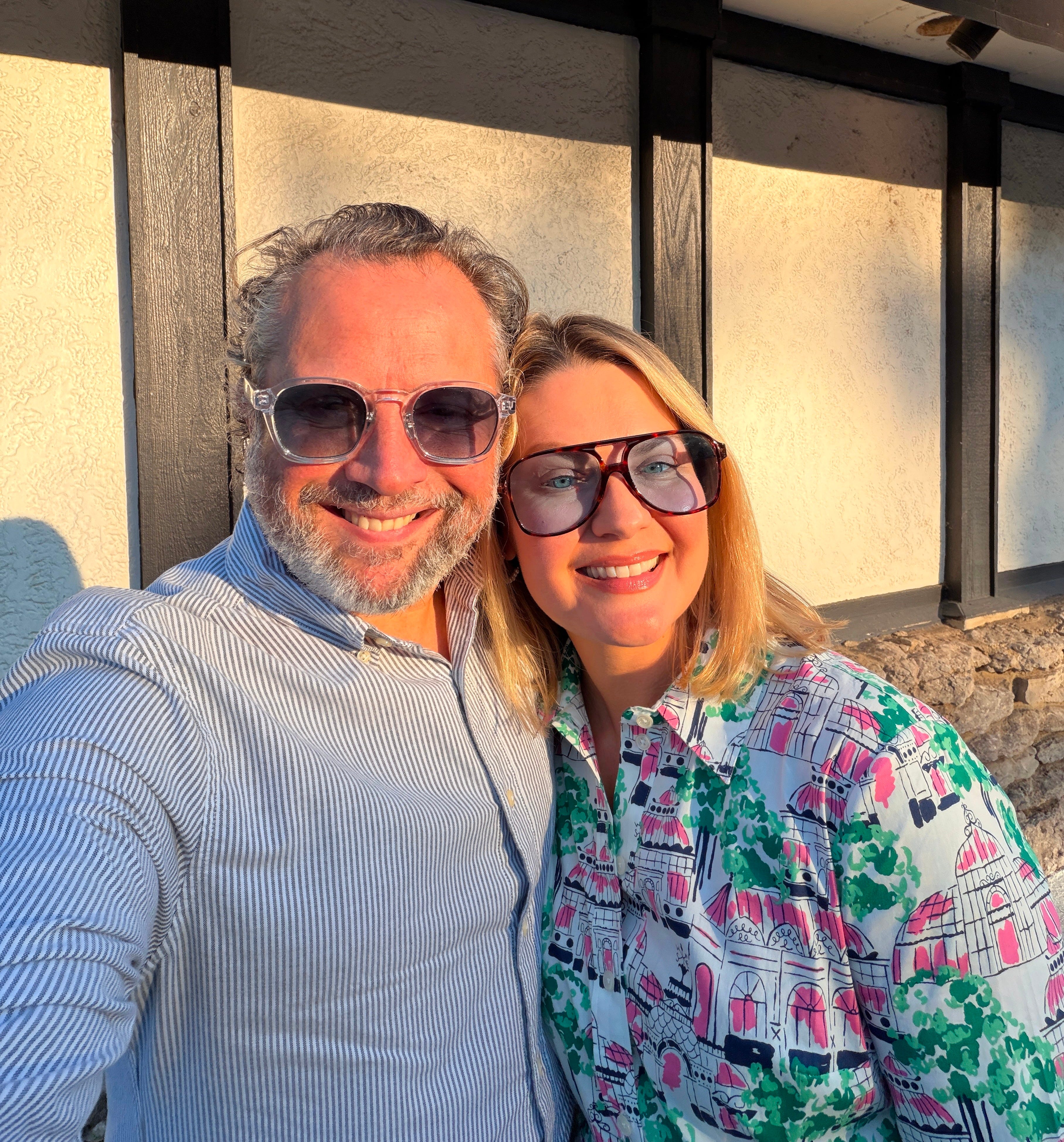
Most days exist somewhere between the two extremes. Slow progress forward—in educating our boys, in cultivating a creative life, in good work, in relationships. My least favorite pace, but a practical one. Things that grow quickly usually have shallow roots.
Today I heard the news that Annie Dillard has also passed on. Dillard’s writing flipped a switch in me many years ago after reading (or, more accurately, immersing myself in) Pilgrim at Tinker Creek. She taught me the one essential job of a writer is to slow down (waaaay down) and be a noticer. Dillard, like Berry, cherished the Southern landscape and gave it its due in words. I often think of her at our little creek, where our sons now play as the fourth generation of our family on this land.
This morning I stood still there, hoping to catch the heron, when instead a bit of movement caught my eye: the tops of turkey heads bobbing up and down in a nearby field. The work is almost imperceptible, more posture than anything. Little graces for those who pay attention. Blessed are all who wait for Him.
September Things
In an effort to give you the kind of content I also love to read, but at a pace I can withstand in this season, I’m adding some bits here in addition. September is usually a month of fresh ideas and inspiration for me, and here are a few places I’m being inspired this year:
Reading
Land, Maggie O’Farrell [link]
Remainders of the Day: A Bookshop Diary, Shaun Bythell [link]
Art Work: On the Creative Life, Sally Mann [link]
The fabulous Alana’s well researched and thoughtful piece on AI via Taking Shape.
Jeremiah wrote a book! Okay, I haven’t started this one yet, but I can confidently recommend because I know how deeply this brother thinks and writes. It’s gonna be gold.

Listening
Never Enough: From Barista to Billionaire, Andrew Wilkinson (via Audible) - this one was wild!
Thrasher, Brandon Flowers - tracks 3 + 8 especially.
Watching
The thrill of color, texture, and fairytale from American designers at this year's fashion week… a couple of my favorites below:
Ralph Lauren S/S 2027
Aknvas S/S 2027
And Current Rothko has finally moved out of the range of oranges and reds and into moodier tones, praise the Lord.
Thank you for letting me wrestle on the page, and for being here with me in the middle of the untidiness of it all. I appreciate each one of you (don’t be a stranger - say hello in the comments!)
Until next time,
SBL