


Hi friends! I’m trying something new this month by including an audio/podcast version of my newsletter. If you enjoy the experience and prefer to listen, please shoot me an email and let me know!
A Lifeline in Letters
When I read East of Eden for the first time, I was going through what they call “a hard time.” I lived alone and worked early hours, rising before the sun to be the first to open a little neighborhood coffee shop. The winter sun–when she finally graced the horizon–was distant and aloof. I didn’t mind, though. She was consistent in all of her modes, and that was enough.
The cafe was dark when I arrived, and the keys were cold in my hands. I let myself inside and turned on the kitchen light, the only burning light on a street still asleep. My feet shuffled across the worn wooden floors. The only sound to break the comfortable silence was the coffee maker dripping. I filled carafes with cold cream and placed fresh bagels on display plates, still warm from the baker. In a matter of short time, this room would be filled with people waking up, greeting one another, chattering on their phones, and tick-tacking away on their laptops. I would not be alone for another nine hours, at the least.
The novel lived in my tote bag to the detriment of its paperback cover. But I couldn’t bear to leave it at home in case a rare opportunity presented itself–say, sitting between the recycling and ashtrays on the back stoop during a ten-minute break with just enough time to slip into the story and completely lose my bearings. The trance was broken as soon as a friendly stranger would chime, “Good book, eh?” Smile, nod. Do not engage further. Refocus. Ah, only two more minutes left.
It was a hard, lonely time. It was a time to grieve deep disappointment, the scooping out of dreams like packed wet sand dissolved into nothingness. But it was not without its rare joy: pure transcendence in pockets of time, with a book in hand.
I began to see characters. Aron, and Abra, Adam and Cal. A glimpse of eye contact with a stranger or the tone of someone’s voice, and I know who it is–and I am thrilled by a brief encounter with the people from my other world. It seems natural, expected. Of course, they would come visit me! I try to tell someone I work with, the other woman around my age, the one with short hair and a booming laugh. I want her to know my friends, and that their story matters. She nods her head in my direction, but her eyes shift away, looking toward the opening and closing door.
The world of the imagination, of language and meaning, holds promise for those who are flailing. When a certain phrase is read, or a scene of the story takes shape in the mind, and it gives definition to the unique pain a person alone knows, hope is born within the heart of the heartbroken. After all, we are not lost because we find new beginnings with the turning of the page.
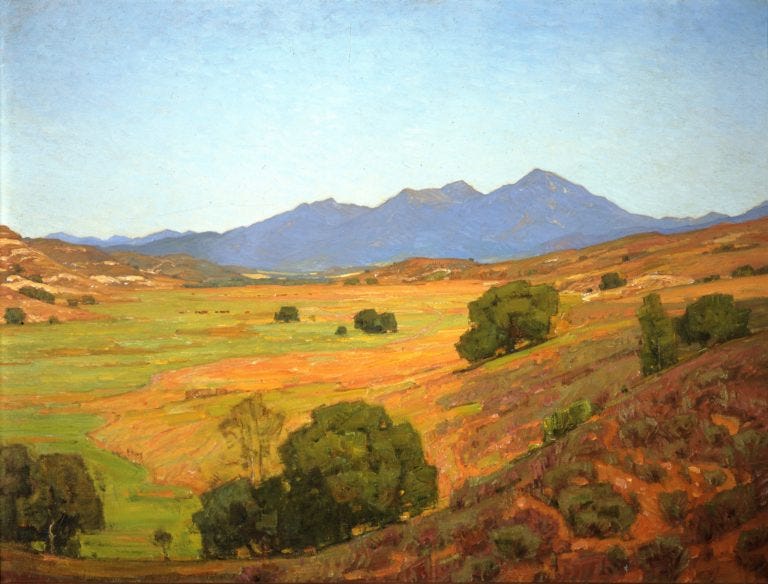
When I am reading, I know what I have to do, what I am required to do. There, I must simply pay attention, keep going, and receive the reward in time. Here, I pull another shot of espresso and wipe the counter again. I glance at the clock and sigh. Three hours remain until I can retreat into myself, my imagination, the portal to a place where I have a clear purpose. Here, my life has shrunk to a bare-bones existence; there, the horizons burn endlessly like a California sunset.
"There’s more beauty in truth, even if it is dreadful beauty."
I couldn’t see it then, but I know now that a book can be a lifeline. While my own life was slowly unraveling, I clung to a story of family, homeland, and complicated redemption. Steinbeck didn’t write East of Eden for me, but it felt like he did, back then.
That was about fifteen years ago. Doesn’t it feel like every decade is its own lifetime? I can reach back to when five-pound glossy fashion magazines and homemade music zines filled my backpack instead of textbooks…and even further back when my early exploration of the world came through children’s books (and notepads and pencils with cartoon cats). These are just as vivid in my memory as my flesh-and-blood companions. Time is nearly indefinable except by the life of the mind, what kept my imagination alive–what kept me going. The reading life is as good as any (and maybe better) for marking time, growth, pain, and delight.
Steinbeck supposedly also said (although I couldn’t find the source),
“Books are the best friends you can have; they inform you, and entertain you, and they don't talk back.”
I’ve found them to be quite like friends in real life: some are faithful, some are fickle, some disappear and you desperately miss them.
A Coram Deo Curated List of Stories to Enjoy as a Family
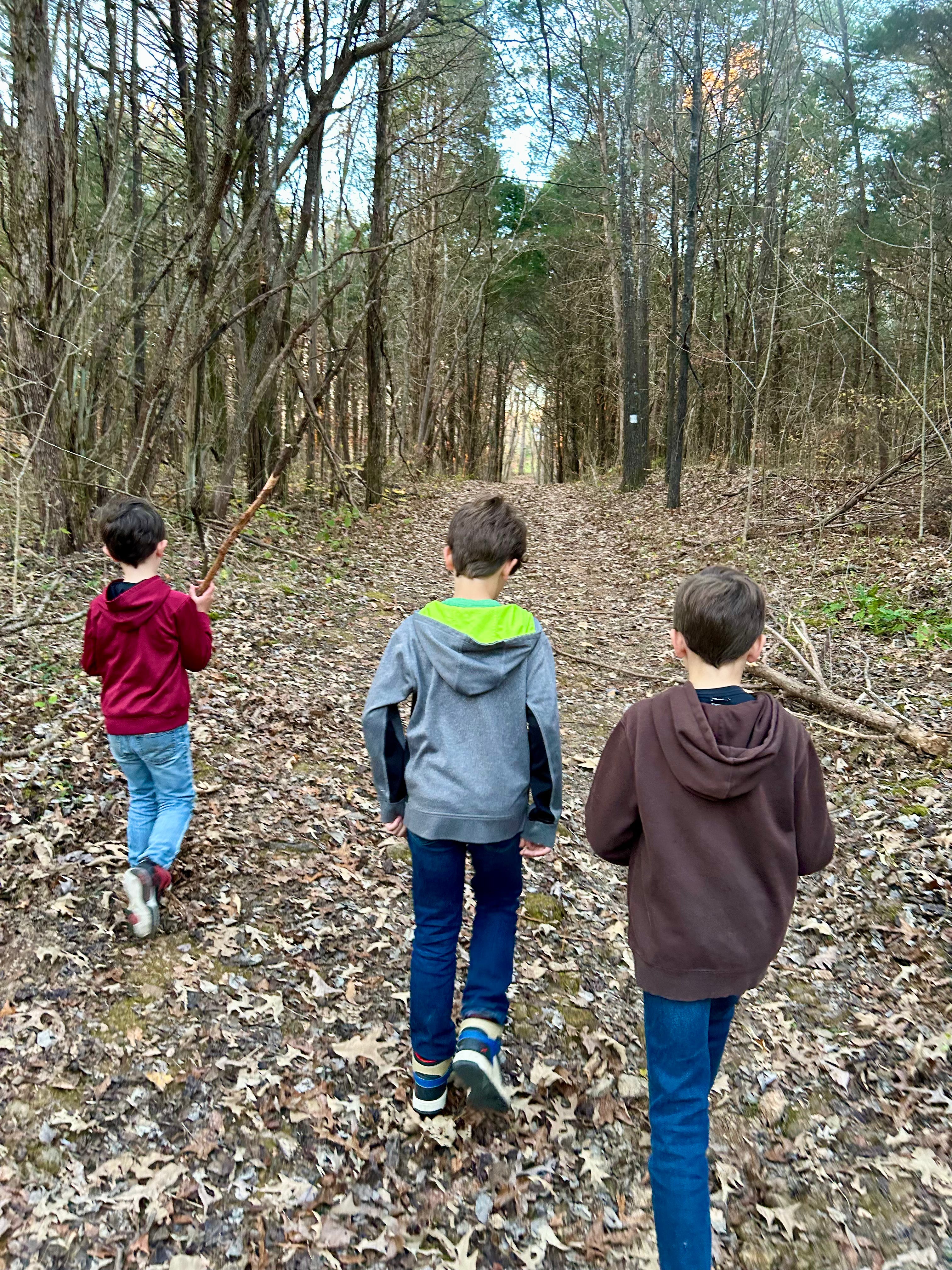
My oldest son turns thirteen this week. Lord, I don’t even know what to think about that, except that the last (nearly) fourteen years of knowing him, from a faint flutter in my womb to the young man he is rapidly becoming, has passed so quickly that I can barely catch my breath. I sometimes worry about the world he is growing up in and the dragons he will have to face soon enough, but I don’t worry too much about him; he has a strong will, a solid moral center, and he is eager to rise to the occasion of his life. He also has a quick sense of humor, and he loves to read. What more could a mother want?
I sometimes feel like I have fewer ways to connect with my three sons than my husband does (due to my lack of interest in video games, sports, general dude life experience), but good storytelling is one area which we all find common ground. When deciding what kind of book or movie I want to encourage our boys to read/watch, I generally use a razor of Christian transcendentals—does this story cultivate a love for truth, beauty, and goodness? Does it have a hopeful, redemptive storyline? Does it play by the rules of Natural law and God’s created order? These are helpful guidelines in thinking about any genre of art, even genres that may seem ‘non-conformist’ at first blush, like science fiction, fantasy, and fairy tales (some of my personal favorites!)
I won’t preface this list with too many disclaimers, other than to say (at the time of writing) our son’s ages range from 7 to (almost) 13 and we have a pretty moderate-to-high tolerance for violence (hello, boy house).
Here are some of our family’s favorites if you’re looking to curate a similar reference list:
Narnia series (books, audiobooks, and movies - all wonderful!)
The Lord of the Rings Trilogy (books and movies) & The Hobbit
Harry Potter series
The Princess Bride
Star Wars movie franchise & The Mandalorian (best of the TV series, imo)
True Grit (book by Charles Portis & 2010 Coen brothers movie)
The Wilderking Trilogy and The Green Ember series
The Princess and the Goblin & The Princess and Curdie (and other short fairy tales by MacDonald, like The Giants Heart & The Light Princess)
Charlotte’s Web, Stuart Little, Five Children and It (1902 novel by E. Nesbit, not the horrible movie adaptation)
Thirteen Clocks, The Phantom Tollbooth, A Wrinkle in Time
Old Yeller, Where the Red Fern Grows, The Sign of the Beaver
Abel’s Island, The Borrowers, and Mrs. Piggle Wiggle
and so many more…
I’ve started an Amazon list here for easy reference!

What is Mythopoeic Storytelling?
I’ve included a few of my favorites of George MacDonald’s fairy tales above because I think that is the best place to start with him. After a long preamble in the Anthology about MacDonald not being in the “first rank” (or even the second! lol, literary burn) of The Greats in Literature, Lewis explains,
“What he does best is fantasy—fantasy that hovers between the allegorical and the mythopoeic. And this, in my opinion, he does better than any man.”1
I reference MacDonald’s fairy tales so often because they are a primary example of this kind of story—not strict allegory (look to Bunyan’s Pilgrim Progress for this) but yet, they are pregnant with spiritual meaning. If myths are stories that bestow what is True, the mythopoeic storyteller is one who holds a (golden?) compass pointing at the transcendent and, ultimately, at eternity. The story itself can be made up of any kind of material, but the heart of it will reference something beyond ourselves and outside of time. “Literary mythmakers,” the late Rolland Hein writes, “are successful when, working for the most part within the more congenial atmosphere of fantasy or fairy tales, their works stir the human spirit with visions of higher anagogic realities.”2
Hein goes on to explore how myth allows us to slip into kairos time (opposing chronological time, which rules our daily experience by the clock)—a kind of outside-of-ourselves experience when we become so completely absorbed into a story that “we lose consciousness of ourself; it is as though the self is extinguished, and we become the other.”3 Reading allows us to live by kairos time—however brief the moment—and the mythopoeic story ushers deep spiritual insight to penetrate the heart, to elevate our thinking to a higher plane, and they mark us forever. Did Steinbeck know he was writing a mythopoeic novel as he typed away at his desk? I doubt it, although he commented about writing East of Eden,
“The craft or art of writing is the clumsy attempt to find symbols for the wordlessness.”4
The myth, or the story within, begins as a revelation, an image in the mind and heart that must be conveyed somehow; for Lewis, is was a lonely lamppost in the middle of a snowy wood. The image is wordlessness until we scratch together a way to describe the image with the meager means of language. And in the work of the imagination, a story is written, and myth lives on.
Like a Child
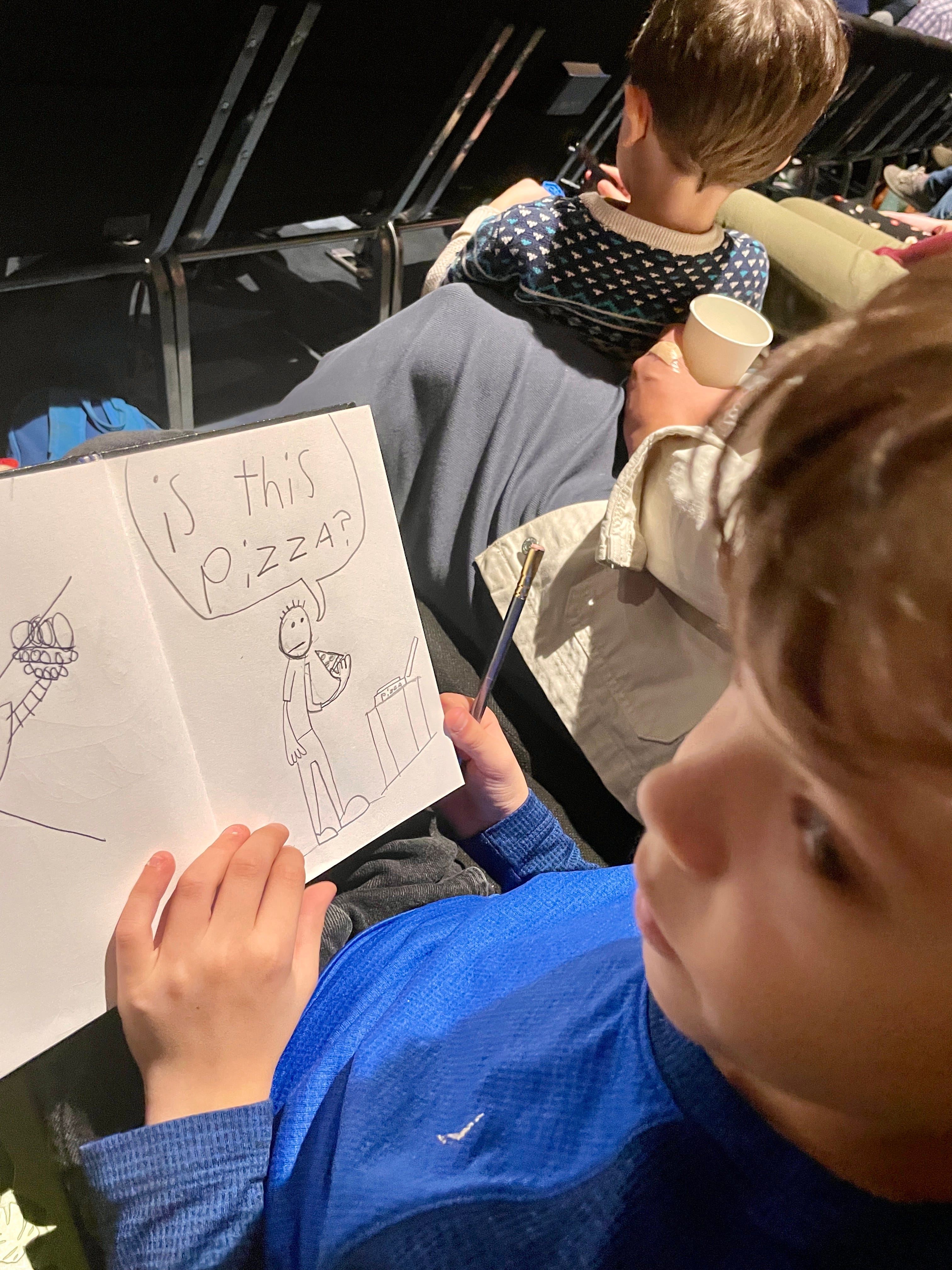
In one of his final essays, The Fantastic Imagination (1893), MacDonald poses that question that every parent reading a story aloud to their children has inwardly wondered, “Suppose my child asks me what the fairytale means, what am I to say?”5
And here we come to the crux of MacDonald’s philosophy (and perhaps his theology) on the Imagination; if we don’t grasp a clear meaning from a story, do we pretend that we do and lie to our children for the sake of seeming intelligent? Do we care so much for our pride? God forbid! We simply and humbly answer that we do not know what it means.
And in that moment, we are brought low, to the posture of a child: wondering, curious, not understanding, but yet dazzled with the hope of one day grasping the meaning. MacDonald assures us that it is “not so much to convey a meaning as to wake a meaning,” and our receiving the story has more to do with the state of our heart, rather than the understanding of the mind.6 What imprint does the story leave on us? Does it shift our perspective or birth new ideas within? Do we feel a fresh wind of hope or the warmth of divine love? We take away what we need, at any age, and receive it as a gift of beauty and goodness. The Imagination is the translating tool, through storytelling or artmaking, which enables a transformational and lasting experience for everyone involved–writer, reader, adult, or child.
When we ‘get lost’ in a good story, we often come away from our reading with a feeling of both deep satisfaction and homesickness for something more…perfect, more real. We were made to fix our compass on this Reality and we will not be fully satisfied until we make our home in Christ, who is Truth, personified. Often, He calls us through story—the Spirit awakens our imagination and we are stirred to that higher place. Isn’t it immeasurably kind of God to reach us this way?
And as we journey home, we need artists to make works of the imagination to give us a glimpse of eternity. We need mythmakers to point the way with stories that stir the heart for truth, beauty, and goodness. We need to be parents who pass down the treasure map to our children. And we need to retain a childlikeness to receive the inheritance of that coming and final kingdom.
Until next time,
SBL
C. S. Lewis, George MacDonald: Anthology, p XXIX.
Rolland Hein, Christian Mythmakers, p 4.
Ibid.
John Steinbeck, Journal of a Novel: The East of Eden Letters (The Viking Press, Inc.,1969; Penguin Books, 1990).
George MacDonald, The Fantastic Imagination, Gutenberg Press ebook.
Ibid. MacDonald further explains that because human creation is confined to using images derived from experience, a person who interprets the world rightly is thinking God’s thoughts after him, and this is a product of sanctification: “Our imagination is made to mirror truth…and when we are true it will mirror nothing but truth.”
From the other books on the list, I would assume Wingfeather has been in the family’s favorites mix, but if not, wanted to put that one forward. Most adults really enjoy them as well. And after the series, one of the short stories in the Wingfeather Tales by Doug McKelvey is one of my favorite pieces I've ever read.