


**This month’s newsletter is photo heavy, so you may need to click “View Entire Message” to read full post in the app or browser.
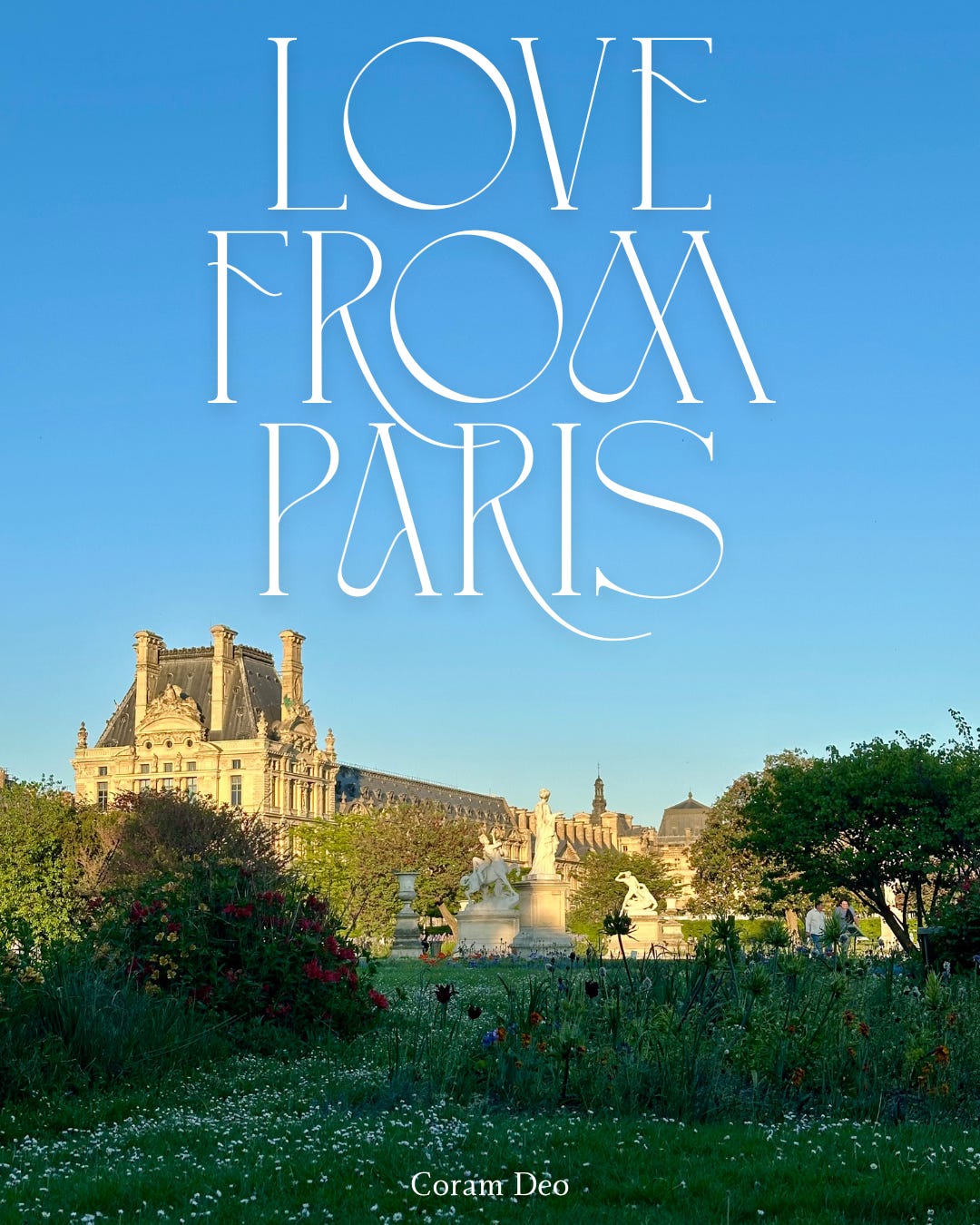
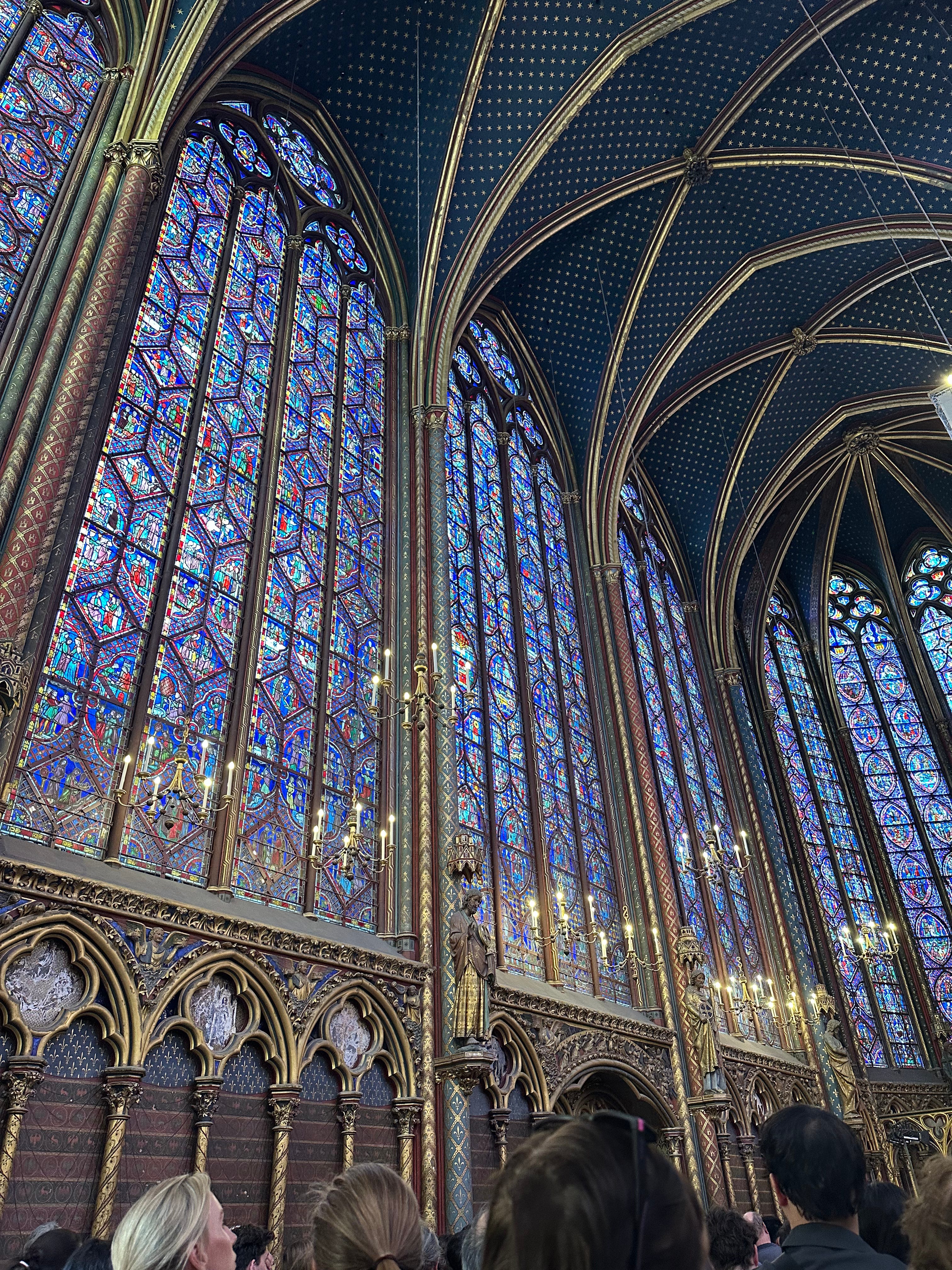
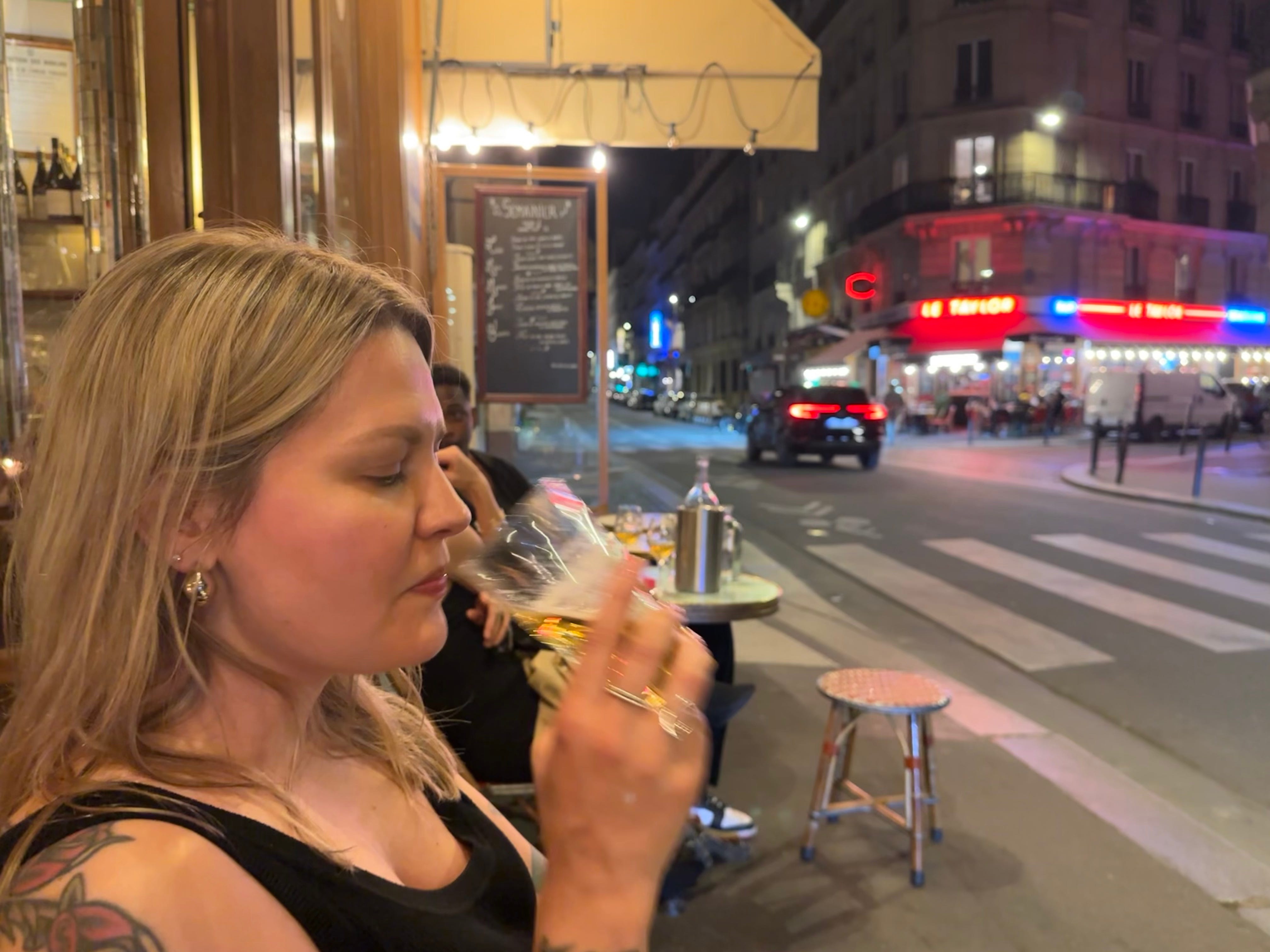
April marked the fulfillment of a lifelong dream with a week’s vacation to Paris with Michael. Although we’ve both lived in Europe at different points, neither of us had been to Paris before, so sharing that first experience together made it all the more meaningful. We ate our way through the city, lingered in parks, marveled at the architecture, and ended each day with sore feet and full hearts. In between the adventures, we spent long hours talking, praying, and seeking the Lord’s guidance for our family and future.
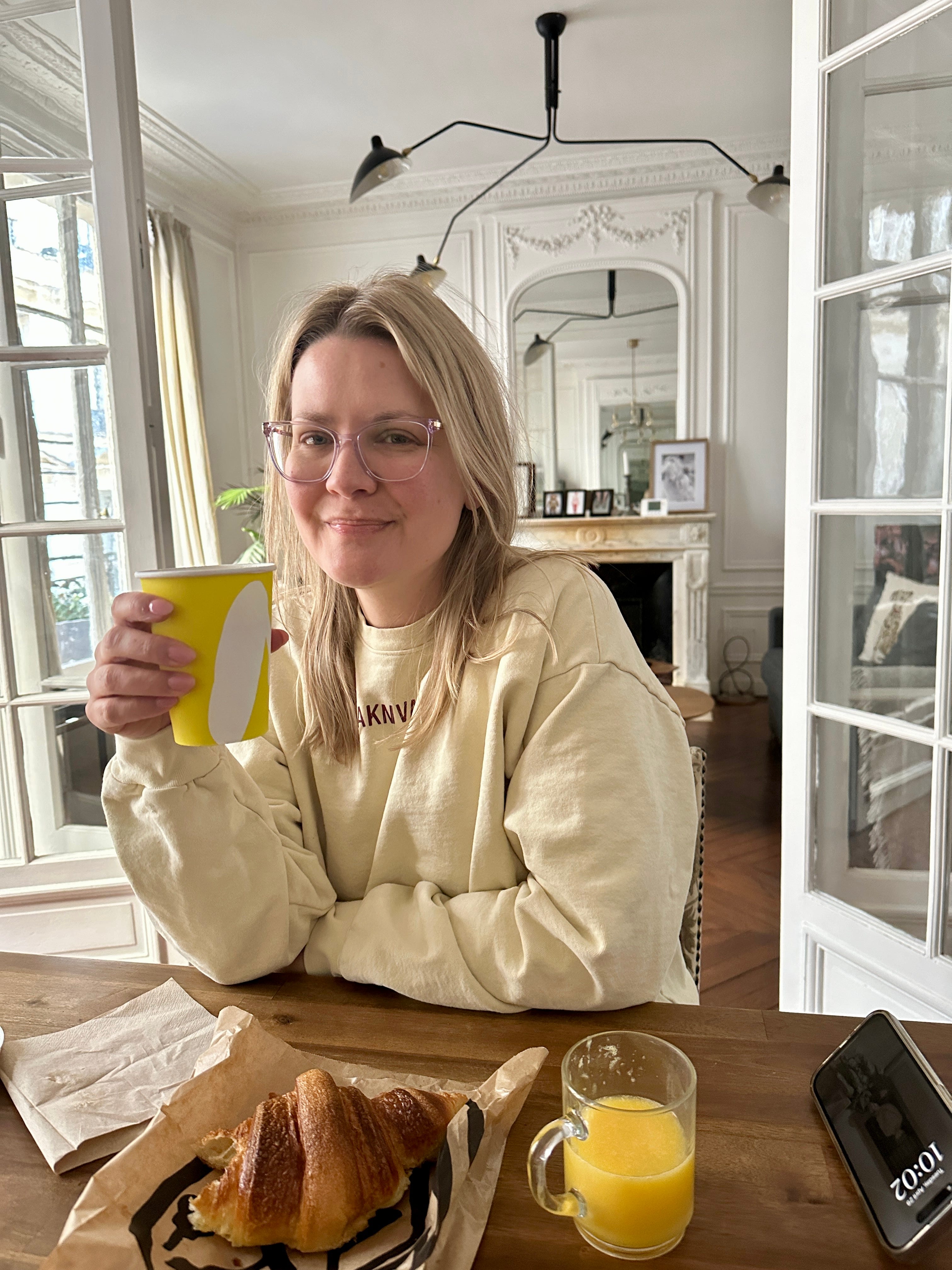
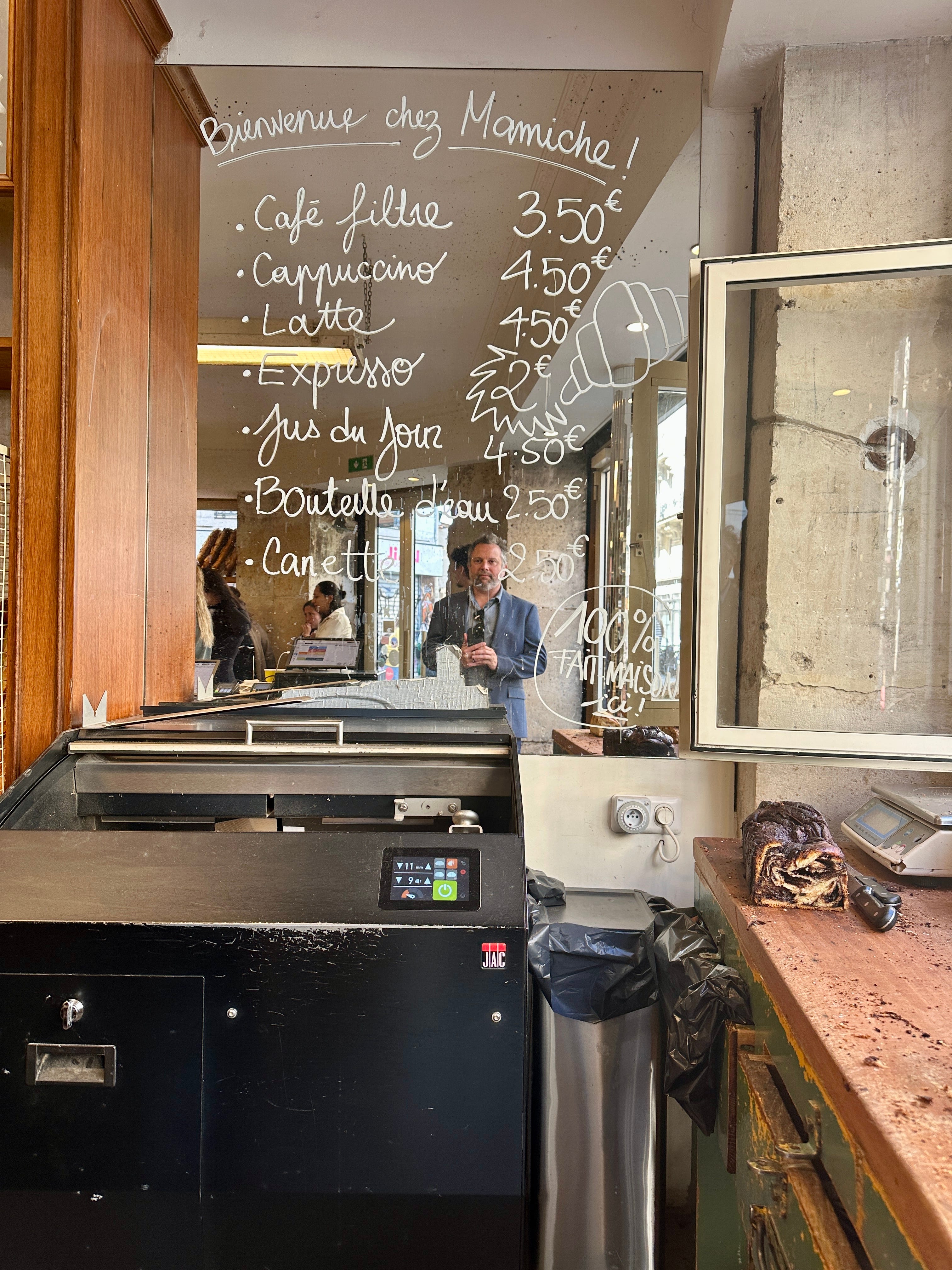
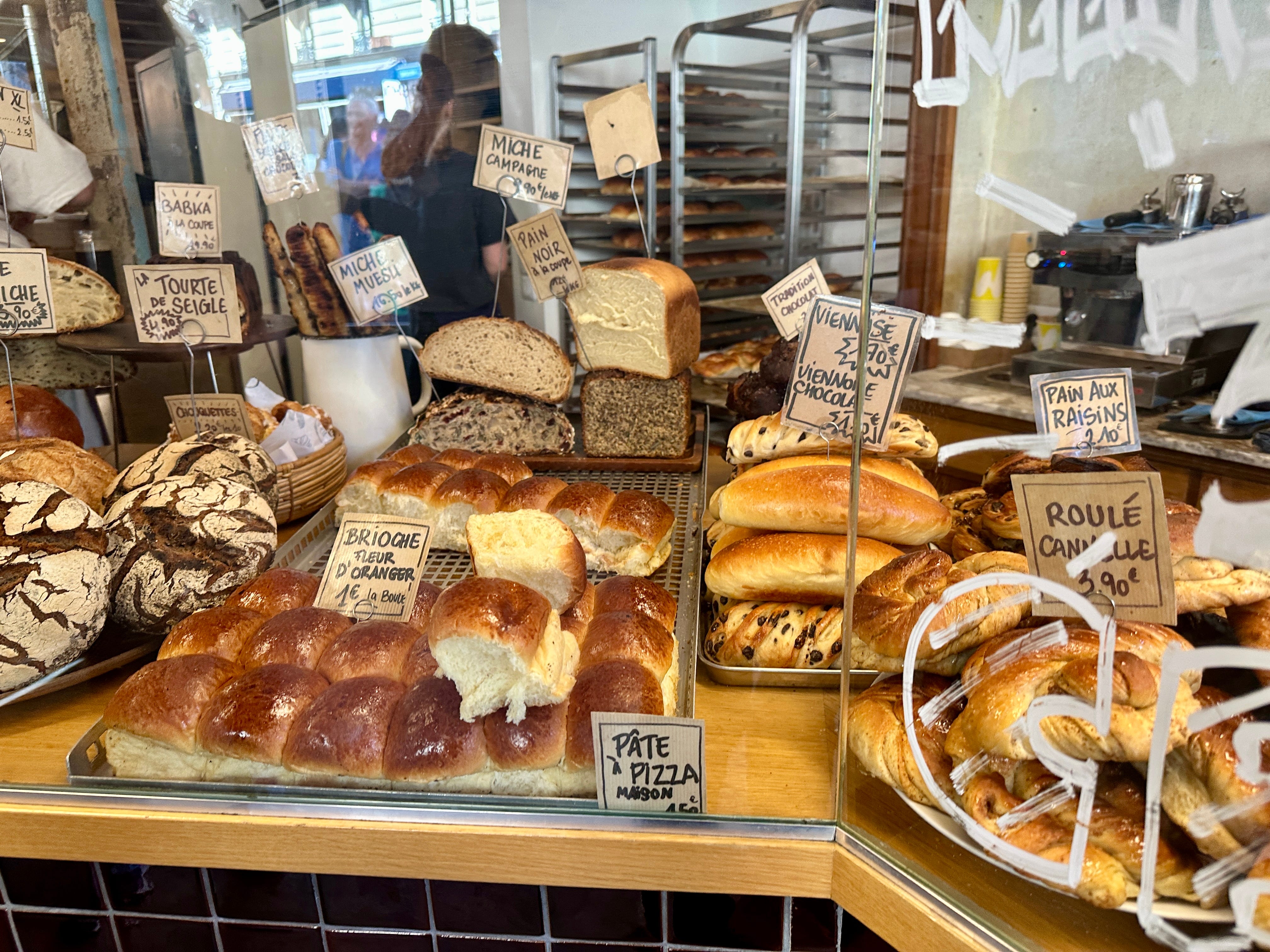
Every morning, Michael would head out to find us breakfast—usually from Mamiche, because they’re simply the best (and conveniently just around the corner from our apartment, #blessed). Once we were dressed and ready, we’d set out for the day, wandering through the arrondissements and exploring shops, cafés, museums, and parks as the mood struck. Paris is like the proverbial croissant…layered, rich, and endlessly indulgent. Around every corner is a new vignette of beauty. As you walk the cobblestone streets, centuries of cultivated society lie beneath your feet and rise up around you in the form of stately 18th- and 19th-century buildings. Inside, medieval paintings line the walls, quietly commanding your attention—if only for a moment, or maybe much longer.
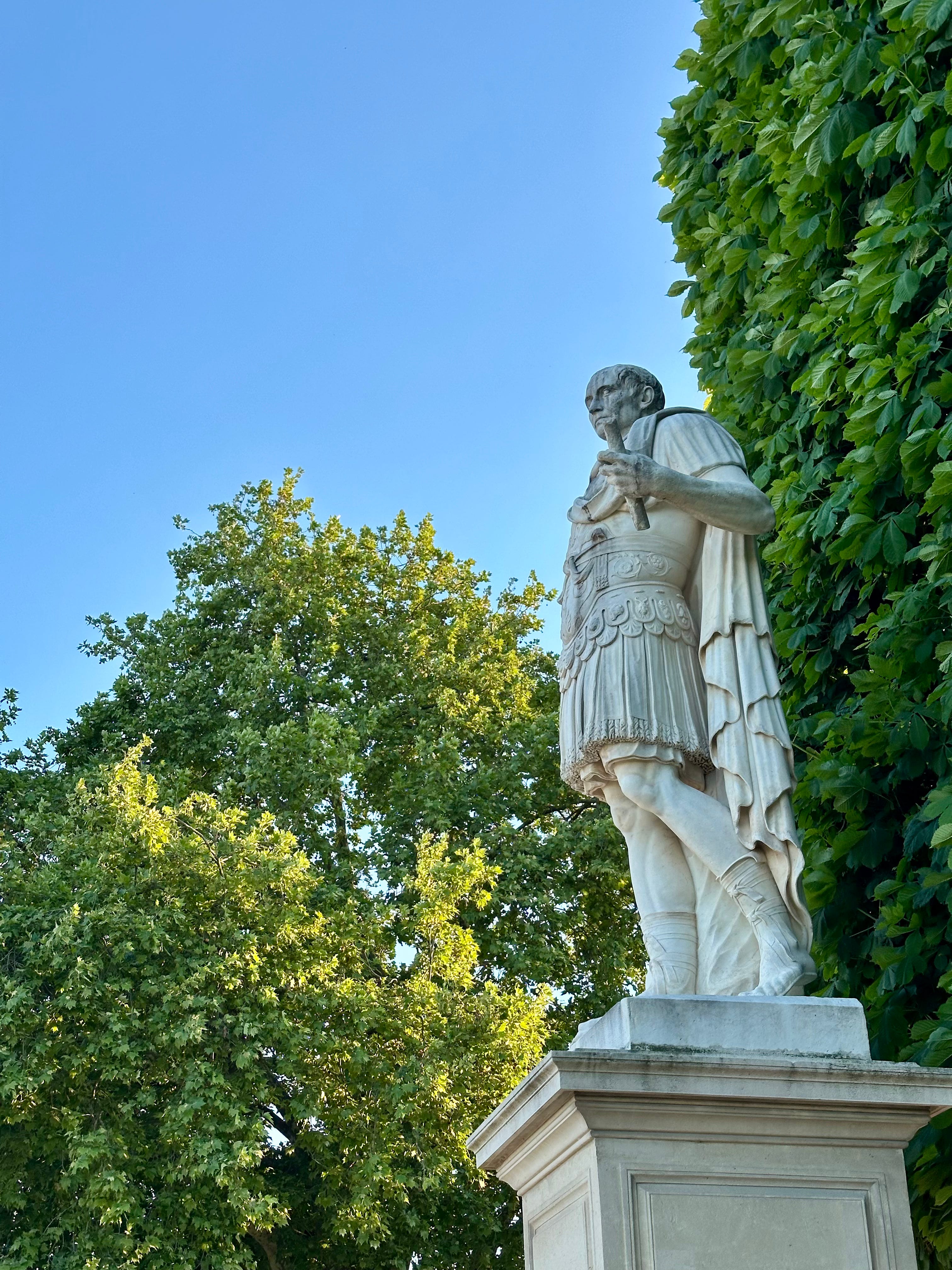
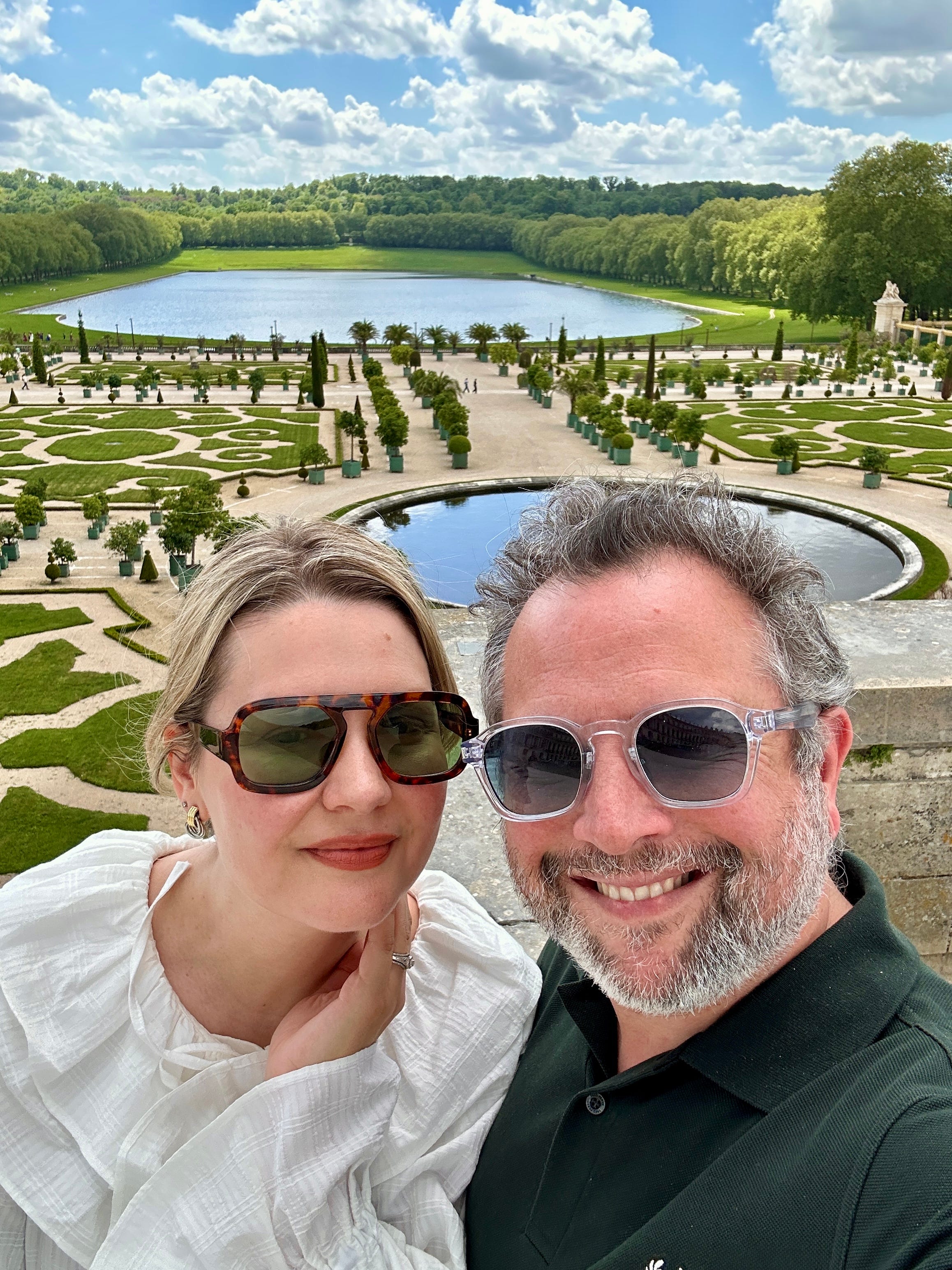
On our last day in Paris, Michael and I took a trip to Versailles. The sheer scale and opulence of the palace (and its two-thousand-acre gardens) were overwhelming, but in the best way. I’d dreamed of visiting ever since Sofia Coppola’s 2006 film Marie Antoinette left an imprint on my twenty-three-year-old imagination (and yes, that soundtrack is still everyyything!). We took a half-hour train ride to the town of Versailles on Saturday morning and spent the day touring the palace and gardens, enjoying a long lunch, and exploring Marie Antoinette’s separate house and farmstead—while a freak hailstorm hammered the roof for about fifteen surreal minutes (video below, sound on for atmosphere).
While at Versailles, we had the pleasure of viewing Paolo Veronese’s (1528-1588) epic painting, The Feast in the House of Simon the Pharisee (1570), which is approximately 476 square feet large and covers a wall of the Hercules Salon of Versailles (placed in 1712).
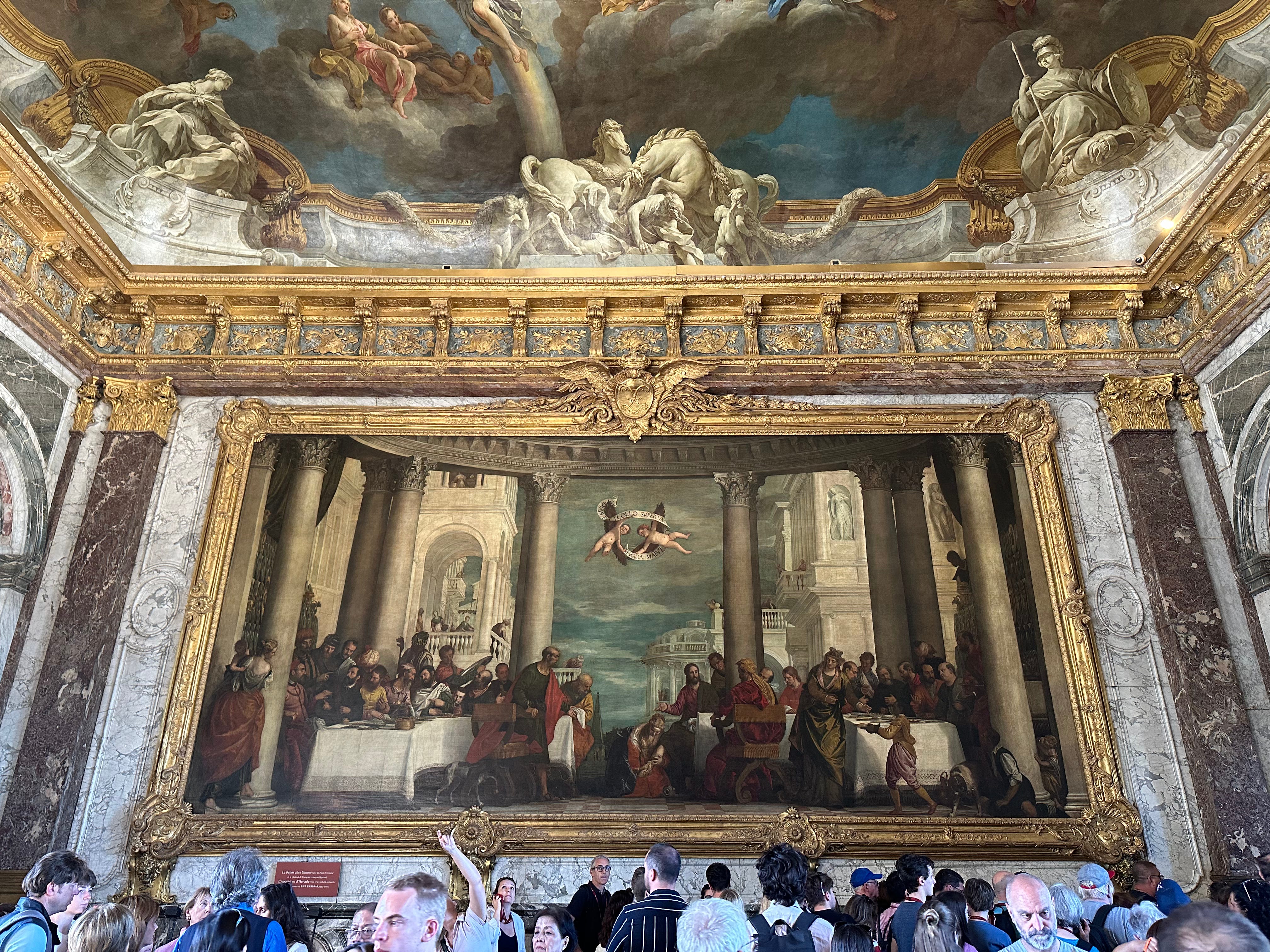
You can view the painting in detail here (click the image and zoom in to see even better).
The enormity of the painting immediately captures your attention, but it’s the layered complexity of the image that draws you in like a great film. With so many characters and action taking place at once, it demands, not only your attention, but your time. A minute or two spent studying the table on the left, a few more to notice that the man in black on the right is likely dressed in the artist’s contemporary fashion, and then a long, reverent pause to reflect on Mary as she anoints Jesus’s feet.
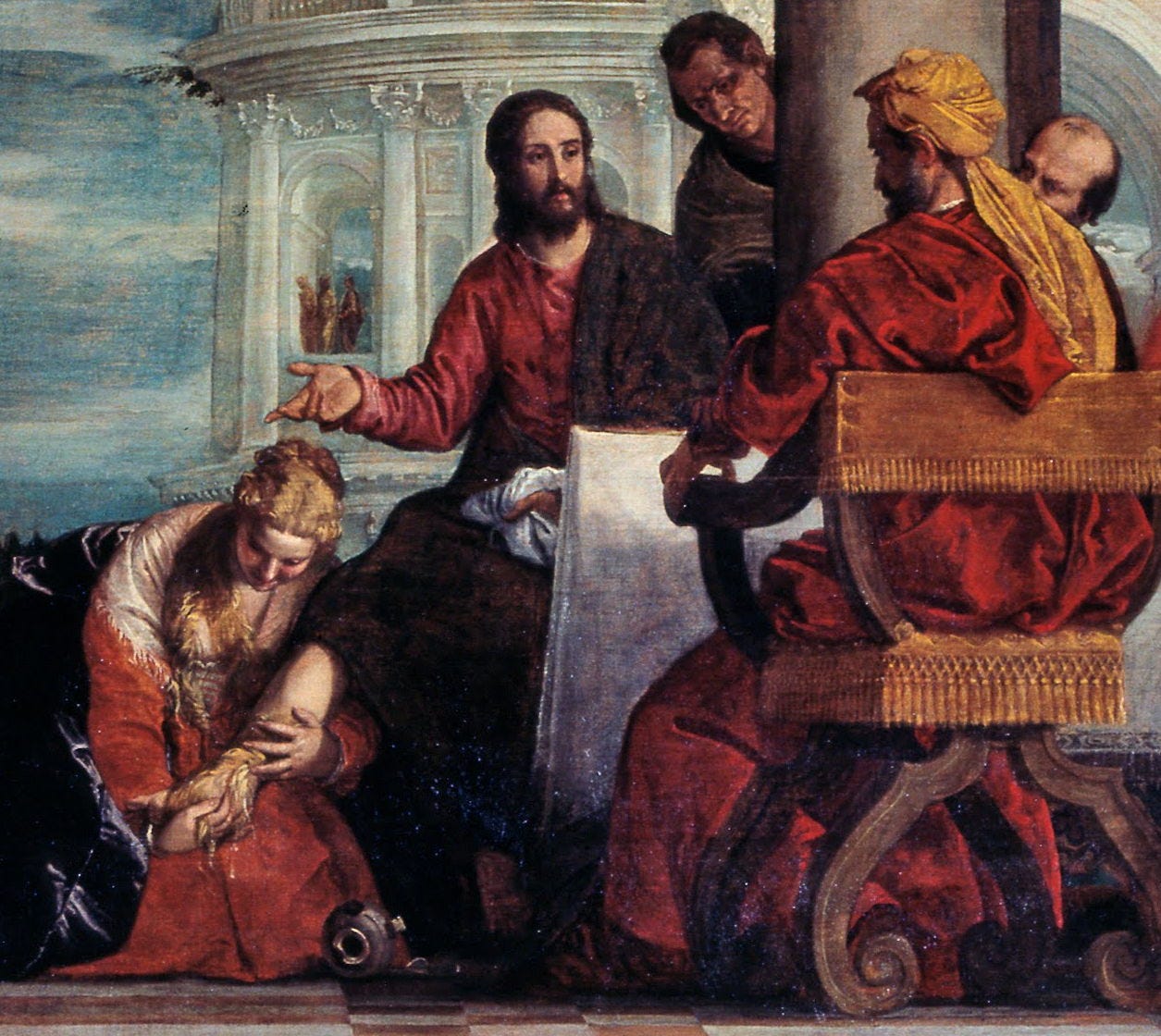
Veronese was known for his large scale scenes from the gospels, including one of the Last Supper that got him into hot water with the Inquisition. This one (above) however is a depiction of the dinner party at Simon the Pharisee’s house, six days before the Passover, and one of Jesus’s final meals with his disciples. The event is recorded in all four gospels (Matthew 26:6–13, Mark 14:3–9, Luke 7:36–50, and John 12:1–8) with various details giving color to each account. In the detail image above, we see Jesus conversing with Simon (in the foreground, wearing clothing made of luxurious fabric, and gripping the arm of his chair in an anxious pose) as Mary is bent low, washing the Lord’s feet with her tears and hair. We may also notice the vessel containing the expensive perfume tipped over to show us that it is empty.
In this scene, some of the disciples were grumbling and complaining that the financial value of the perfume COULD HAVE BEEN USED FOR MINISTRY, JESUS! Why don’t you stop her? Plus, she’s like a prostitute or something! How do you even know such a woman?!
At this point, Jesus engages Simon in a discourse. He tells a simple parable:
“A certain moneylender had two debtors. One owed five hundred denarii, and the other fifty. When they could not pay, he cancelled the debt of both. Now which of them will love him more?”
Simon answered, “The one, I suppose, for whom he cancelled the larger debt.”
And he said to him, “You have judged rightly.”
Then turning toward the woman he said to Simon, “Do you see this woman? I entered your house; you gave me no water for my feet, but she has wet my feet with her tears and wiped them with her hair. You gave me no kiss, but from the time I came in she has not ceased to kiss my feet. You did not anoint my head with oil, but she has anointed my feet with ointment. Therefore I tell you, her sins, which are many, are forgiven—for she loved much. But he who is forgiven little, loves little.”
And he said to her, “Your sins are forgiven.”
Then those who were at table with him began to say among themselves, “Who is this, who even forgives sins?”
And [Jesus] said to the woman, “Your faith has saved you; go in peace.”
Luke 7:41-50, ESV
The trouble with art is that it viscerally confronts my idol of pragmatism.
Most of my days consist of Getting Things Done™ and, while I know this is necessary as a wife/mother/contributor-to-society, the task-oriented nature of my life (and probably, my personal inclination) has a way of shaping my internal landscape. It’s like my brain has a running equation of how much time and money something requires compared to it’s supposed inherent value (while my heart is tuned into a completely different frequency). But why do I fall for the trick of believing that I can even know, objectively, the value of a moment or the thing produced or the outcome?
William James, brother to novelist Henry James, and early 20th century psychologist, said in his book, Pragmatism (1907),
“The true is only the expedient in the way of our thinking, just as the right is only the expedient in the way of our behaving. Expedient in almost any fashion, and expedient in the long run and on the whole, of course.”
James erroneously believed that truth is not fixed or absolute, and his arrogant (and temporal) way of thinking drove a century of philosophy into the ground. Pragmatism is a philosophy that sounds practical at first blush—what is “true” and “right” will eventually prove itself out over time and circumstance. And from the Christian’s perspective, this can be true, because God’s design for morality and ethics does prove itself out over time to be for the good and flourishing of humanity, but only because what is actually true and right are already predetermined by an absolute source.
Which is why the disciple’s complaint against Mary’s extravagance hits a nerve.
How dare this woman—of all women, with her reputation—choose to pour out perfume worth $50,000 on Jesus’ head and feet (and all over the floor), and not only that, but also release a lifetime of sorrow and longing to be truly loved, openly weeping and washing him with her tears?
I hate to admit it, but I probably would have been thinking the same judgey thoughts: What a waste of resources! Why is she interrupting this important dinner party and being so embarrassing…can we get someone to take care of this woman?
But here is something the Holy Spirit confronted me with recently — pragmatism is the enemy of worship.
Did Mary know that her actions were aligned with the bigger story of what God was doing? Probably not.
Jesus knew the disciples were irritated at the whole situation, and he said to them:
“Why do you trouble the woman? For she has done a beautiful thing to me…In pouring this ointment on my body, she has done it to prepare me for burial.” (Matt. 26:10-11)
No one, not Simon or Judas or Mary, knew what was coming in less than a week’s time. They could not have known the horror or triumph that would unfold according to God’s will and purposes. But Jesus knew, and he flipped their earthly and pragmatic mindset on it’s head, and spoke of Mary’s unbridled adoration as something so beautiful and enduring, that
“Truly, I say to you, wherever this gospel is proclaimed in the whole world, what she has done will also be told in memory of her.” (Matt. 26:13)
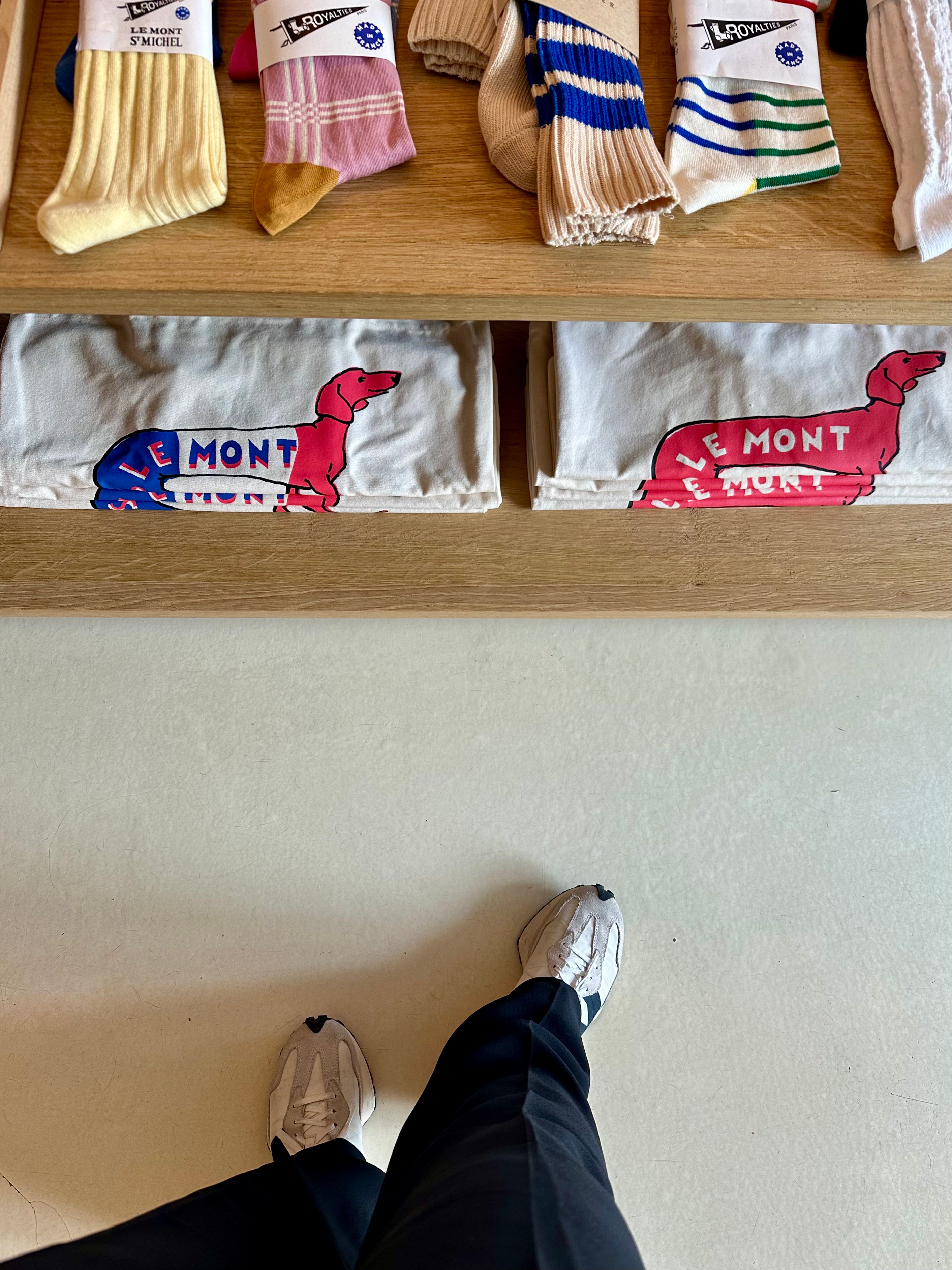
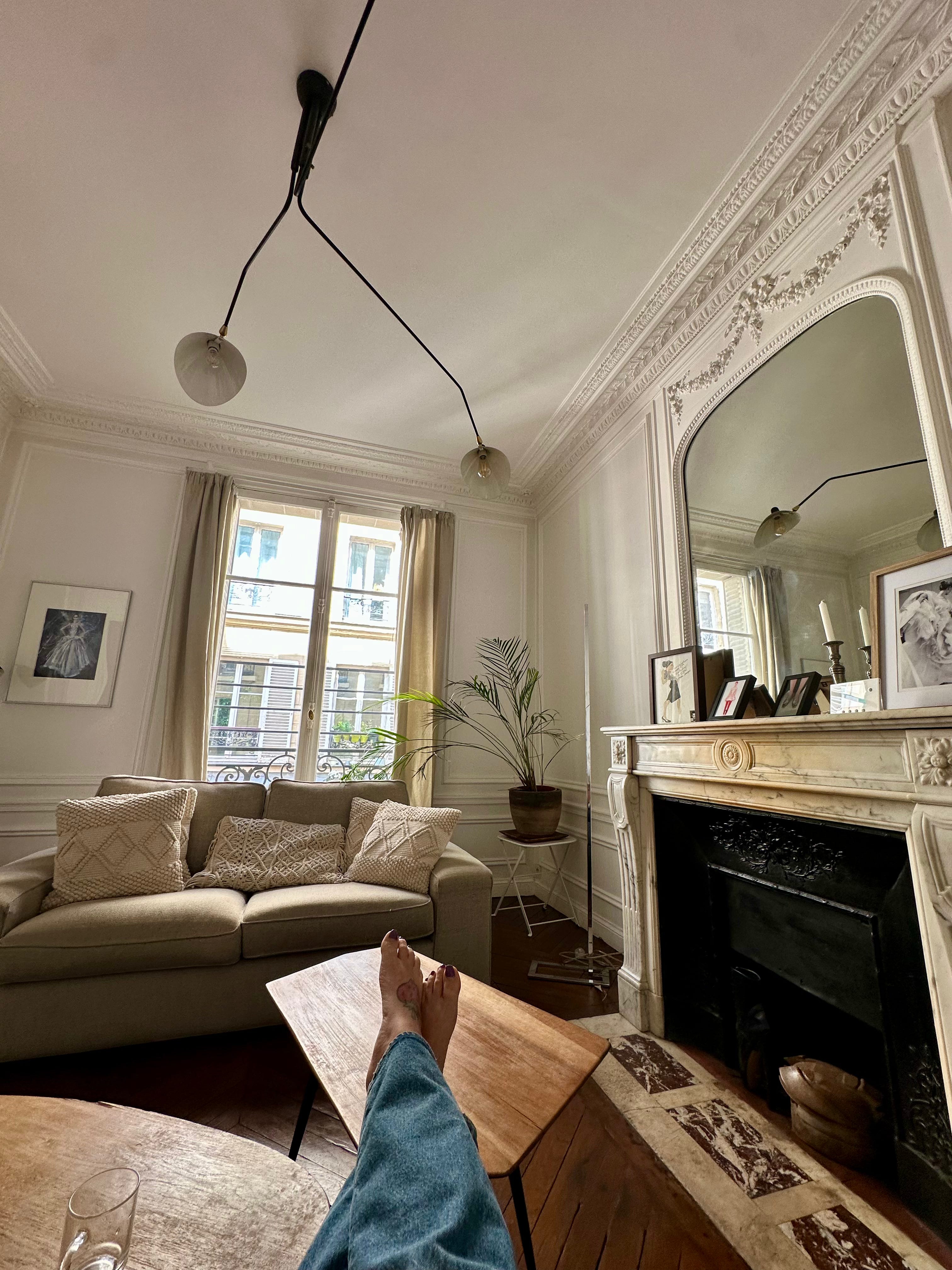
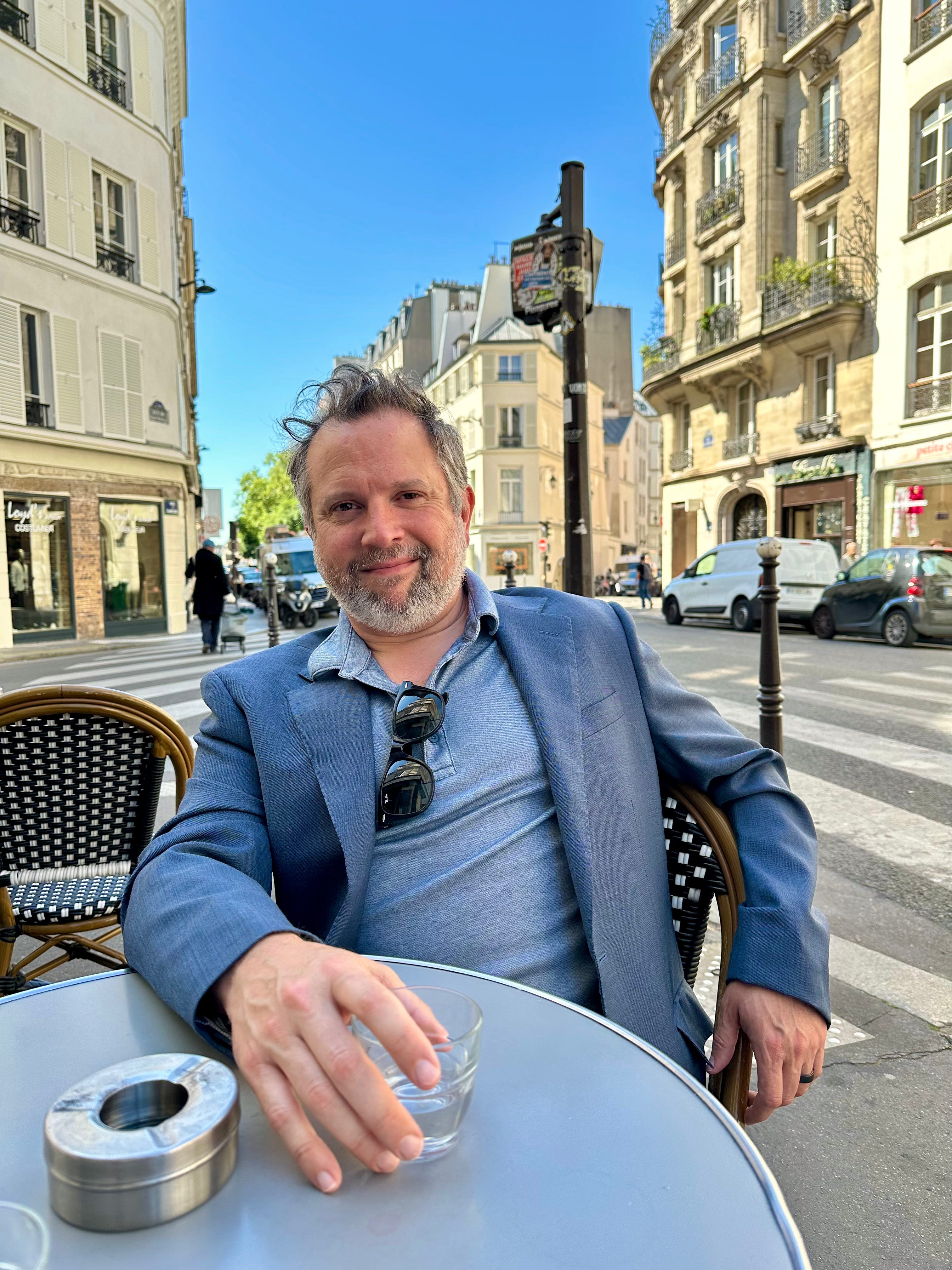
I feel this tension often—the pull between a pragmatic mindset and the call to a poured-out life of worship. Do you? Paris was a kind of wake-up call. God has created a world brimming with beauty and delight, meant for our good. But too often, I’m moving too fast, too focused on the “usefulness” of everything, to even notice. As a generation, we’ve been numbed by a utilitarian deception. We’ve traded the richness of God’s abundance for a transactional way of living.
But then…a giant painting stops me in my tracks. What the artist spent years creating, never knowing the impact it would carry through the centuries, leaves an image in my mind I can’t shake, even days later.
Mary, pouring it all out at Jesus’s feet.
The "wastefulness" of worship.
This is what we’re invited into: to slow down, open our hands, and offer everything—our beauty, our longing, our time, our tears—to Him. Not because it’s efficient, but because He is worthy.
Until next time,
SBL
“Pragmatism is the enemy of worship” 😮💨🔥🔥🔥
love this